
A teer ticket refund is the money-back claim you make when a teer draw is cancelled before it finishes. If you have ever stood in the Shillong drizzle with a pocket full of tickets and heard the word “cancelled”, you already know the anxious feeling that follows. Did my money just vanish? Who gives it back? How long do I have? This guide walks you through the full playbook so you never have to guess.
Teer is a legal, state-regulated archery lottery in Meghalaya, governed under the Meghalaya Amusements and Betting Tax (Amendment) Act, 1982. The state portal at meghalaya.gov.in is the authoritative source for state regulations covering licensed lotteries. Tickets are sold over the counter at licensed stalls, and draws are shot at recognized archery grounds such as Polo Ground in Shillong by associations like the Khasi Hills Archery Sports Association. Because the whole system runs on physical tickets and public shooting sessions, cancellations do happen, and the refund rules that cover them are worth knowing before you buy your next ticket.

What a cancelled teer draw actually means for your teer ticket refund
A cancelled draw is not the same as a postponed result. Cancellation means the shooting session for that round will not take place at all on that day. The association calls it off, usually before the archers line up, and the draw for that market on that day is treated as if it never started.
That single distinction drives the entire teer refund policy. Organizers plan around it like this: money collected for a service that never happened should go back to the person who paid it. Your ticket is your receipt for that payment. Keep the ticket and you keep the right to claim your money back. Lose the ticket and you lose the proof, because counters do not keep a register of who bought which number.
There is one twist worth learning early. Sometimes only one round is cancelled while the other goes ahead as planned. In that case the refund conversation applies only to the round that was called off. Tickets tied to the round that was shot are treated as normal played tickets. You can check which rounds were declared and which were not on the All Teer Results homepage and the teer result list page.
The two refund windows that decide everything
Every cancellation falls into one of two windows, and your rights are different in each. This is the single most useful idea in this entire article, so read it twice.
Window 1 – Before the first arrow is shot
If the association calls off the draw before the archers begin shooting, your ticket never entered play. In ordinary practice at licensed counters, this is the clean refund window. You bring the ticket back to the counter where you bought it, show that the round was cancelled, and you get your stake back.
The logic is simple enough that even a first-time player can explain it to a friend: no shooting happened, so no bet happened either. Your money should return to you in full. Most disputes you hear about never involve this window. They involve the second one.
Window 2 – After the shooting has begun
Once the archers start shooting, the round is live. If a cloudburst interrupts play after arrows have been released, the situation changes completely. Organizers may pause and resume if the rain eases, or they may void the round and declare it cancelled midway.
This is where you must follow the association’s specific announcement rather than any general rule. Some rounds that start but cannot finish are settled under the organizers’ published rules, which can vary by association and by season. The practical takeaway for you is blunt: keep your ticket safe even when play is interrupted, wait for the official announcement, and act on exactly what it says. Never assume a half-finished round means an automatic refund, and never assume it means your ticket is worthless either. The announcement is the decision.
Why teer draws get cancelled
Knowing the reasons helps you predict risk days and protect your money. Here are the usual causes, in rough order of how often they strike.
Weather and the monsoon problem
Rain is the undisputed champion of teer cancellations. Shillong sits in the Khasi Hills, a short distance from Mawsynram and Cherrapunji, places that hold world rainfall records. The monsoon season from June to September brings heavy, fast-moving downpours that can soak an archery ground in minutes.
Rain hits teer on two fronts. Heavy rain makes shooting unsafe and unfair: wet targets, slippery footing for archers, and arrows that behave unpredictably. Lightning is an outright stop-work condition anywhere people stand in an open field. Associations watch the sky through the morning, and when the rain refuses to relent, they cancel rather than risk archers or botched rounds. If you play regularly between June and September, expect several cancellation days per season. It is simply part of the rhythm.
Technical and ground problems
Sometimes the weather is fine and something else fails. Targets and frames need maintenance, the ground can waterlog after overnight rain even under a clear sky, and equipment problems can delay a session past the point where shooting makes sense. These cancellations are rarer than rain days, but they follow the same refund playbook: before shooting starts, tickets are refundable at the counter.
Official holidays and public-order orders
Teer is a regulated activity, and the Deputy Commissioner’s office and the state government can order closures for public holidays, elections, law-and-order situations, or emergencies. On such days there is simply no draw. Because these shutdowns are announced in advance, counters usually stop selling tickets early, which limits the refund queue. Still, if you bought tickets before the announcement, your refund claim follows the same window-1 logic.
How teer ticket refund claims work at the counter
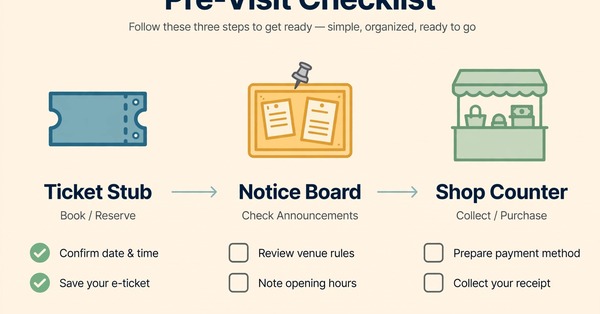
Now the practical part. Teer tickets are physical slips bought over the counter, and there is no official online ticket sale by the organizers. That means your refund happens in person, at a counter, with the ticket in your hand. Here is the process that works at licensed stalls across Meghalaya.
Step 1 – Keep the ticket safe
The moment you hear a cancellation might be coming, protect your tickets. Do not crumple them, do not leave them in a damp pocket, and do not throw them away in frustration. A faded, torn ticket is much harder to get refunded than a clean one. Slip them into a dry pouch or a plastic cover, especially during monsoon months.
Step 2 – Check the official notice
Before you travel anywhere, confirm the cancellation is real. Announcements come from the organizing association or the district authorities, and results portals like the Shillong teer result page will show the round as not declared rather than showing a number. Word of mouth at the market can be wrong, so verify before you stand in a queue.
Step 3 – Return to the same counter
This rule is close to absolute: refunds are claimed at the counter where you bought the ticket. A different counter has no record of your purchase and no obligation to pay you. If you bought from a stall near Polo Ground, that is where you return. This is why experienced players remember their regular counters by name and location.
Step 4 – Collect your refund and count it
At the counter, hand over the tickets for the cancelled round. The seller checks the round details against the cancellation notice and returns your stake. Count it before you leave. If you hold many tickets, a quick written list of how many you are returning can prevent mix-ups. Polite and firm works better than loud: counter staff deal with refund queues all day during monsoon season and respond best to organized customers.
What happens when a draw is rescheduled instead of cancelled
Cancellation and rescheduling are different animals, and players mix them up constantly. A rescheduled draw moves to another day or another time. Your ticket usually carries forward to the rescheduled session, and there is no refund because the draw is still happening.
How do you tell them apart? The association’s announcement says so explicitly. If it names a new day or time, your tickets stay valid and you hold them. If it says the round stands cancelled with no new schedule, the refund window opens. When the wording is unclear, ask at the counter. Counter staff hear the association’s instructions first, and they can tell you whether to hold or return your tickets.
There is a small edge case worth flagging. If a draw is rescheduled and you cannot attend the new session, you are generally not entitled to a refund simply because the new timing does not suit you. Refund rights attach to cancellations, not to reschedules. Buy only what you are comfortable holding across a schedule change.
When you do not get a refund
Honesty matters here, so here are the situations where your money does not come back.
First, rounds that were completed normally. Once results are declared for a round, tickets for that round are settled. Losing tickets have no refund value, and that is true in every lottery on earth.
Second, tickets bought from unlicensed sellers. The regulated refund chain runs through licensed counters that answer to the organizing association. If you bought from a random stranger with no stall, you have stepped outside the system that protects you. Always buy from a recognized counter. This single habit prevents more losses than any refund rule.
Third, lost or destroyed tickets. No ticket, no claim. The counter cannot verify what you bought.
Fourth, claims made far too late. While there is no single published deadline printed on every ticket, counters wind down refund queues within a short window after the cancellation day. Returning weeks later with a stale ticket is asking for a refusal. Act within a day or two.
Fifth, tickets for rounds that were interrupted after shooting began and then settled under the association’s rules. As explained in the windows section, these follow the announcement, not your preference.
One more caution: nobody legitimate will ever ask you for a “refund fee” or “processing charge” to return your stake. Refunds of cancelled draws are your money coming back to you. Anyone asking for payment to process it is running a scam. Walk away and buy from licensed counters only.
How to read a cancellation notice like a regular
Cancellation notices are short, but players misread them all the time. A proper notice names three things: the market, the round, and the decision. The market tells you which association called it, for example Shillong or Khanapara. The round tells you whether it is the first or the second session of the day. The decision is one word you must not skim past: cancelled means money back at the counter, postponed or rescheduled means hold your tickets.
Watch for the notice’s source too. A genuine notice comes from the organizing association or district authorities, and it reaches counters and results portals together. A rumour at the tea stall is not a notice. On days when the sky looks threatening, check the teer result list page after the usual declaration time. A round that shows as not declared, with no number posted, is the quiet digital twin of the physical cancellation notice.
Timing matters as well. Notices issued in the morning, well before the shooting session, give you a full calm day to claim your refund. Notices issued close to the session time create crowds at counters, because everyone arrives at once. If you play often, build a small habit: when rain starts around midday during monsoon season, keep your phone handy and your tickets dry, and plan one trip to your counter instead of two.
Teer ticket refund questions players ask every monsoon

Can I get my money back if the teer draw is cancelled?
Yes, in the standard case. If the round was cancelled before shooting began, return your tickets to the counter where you bought them and your stake is refunded. Keep the tickets in good condition and claim promptly, ideally within a day or two of the cancellation announcement.
Does a teer rain cancellation always mean a refund?
Almost always for the cancelled round. Rain is the most common cancellation cause in Meghalaya, and the same window rules apply: cancelled before shooting means refundable. The exception is a round that started and was then stopped by rain, where the association’s specific announcement decides what happens to tickets.
How long do I have to claim a teer ticket refund?
There is no universal printed deadline, so treat speed as your friend. Counters handle refunds in the days immediately after a cancellation. Showing up the same day or the next day is ideal. The longer you wait, the harder it gets, because counters close their books and staff memories fade.
Can someone else claim my refund for me?
In practice, whoever holds the physical ticket can claim at the counter, because the ticket is a bearer receipt. That cuts both ways: it is convenient if you send a trusted friend, but it also means a lost ticket is as good as lost money. Hand tickets to other people only if you trust them completely.
What if the counter refuses to refund a cancelled draw?
Stay calm and escalate in order. First, ask the counter staff to show you the association’s notice and explain the refusal in plain words; sometimes it is a misunderstanding about which round was cancelled. Second, contact the organizing association’s office for your market. Third, you can raise the matter with the Deputy Commissioner’s office, which licenses teer operations. Keep your tickets and any notes about dates and amounts throughout.
Are online teer tickets refundable when draws are cancelled?
There are no official online ticket sales run by the teer organizing associations; tickets are sold physically at licensed counters. If you paid money to a website or an app claiming to sell teer tickets, you are dealing with an unregulated third party outside the refund chain described in this article. Recovery from such sellers is uncertain, which is another reason to buy only at licensed counters.
A short checklist for rainy-season players
Tape this mental checklist to your wallet from June to September. Buy only from licensed counters you can find again. Keep every ticket dry and readable until results are declared. Check the cancellation status before travelling to a counter. Claim refunds at the same counter, promptly. Count your refund before leaving. Never pay anyone a fee to process a refund. And remember the golden rule of the whole system: before the first arrow flies, your money is retrievable; after it flies, the announcement rules.
Teer is a legal lottery in Meghalaya for adults aged 18 and above. Play responsibly, spend only what you can afford to lose, and treat refund knowledge as part of the game, not an afterthought.
Conclusion
Cancelled draws are a normal part of teer life in one of the rainiest corners of India. The teer ticket refund system is straightforward once you know the two windows: before shooting, your stake comes back at the counter; after shooting begins, the association’s announcement decides. Keep your tickets, buy from licensed counters, claim quickly, and you will handle every cancelled teer game with confidence.
*Teer is a legal lottery in Meghalaya, restricted to players aged 18 and above. Please play responsibly.*