
If you follow teer every day, the single most useful piece of information you can have is not a number, it is the teer result time. Teer is played across several markets in Meghalaya and Assam, and each market declares two rounds, the first round (FR) and the second round (SR). On a normal game day there are nine full sessions, which means eighteen individual result declarations between mid-morning and late night. Missing one declaration time can mean missing the moment your ticket round is announced, so this article gives you the complete daily timetable in one place: a chronological walkthrough from early morning to night, with timing tables for every FR and SR, an explanation of how the sessions fit together, and a practical routine for using this page as your daily reference.
All times below are Indian Standard Time (IST), all times are typical and approximate, and game days are Monday to Saturday with Sunday as a weekly holiday. Exact minutes can shift slightly by organizer and by day, and minor delays happen, so always cross-check with the live result cards on the All Teer Results homepage for the exact declarations of the day. For a full chronological record of past declarations, visit the teer result list.

Early Morning Teer Result Time Sessions
The teer day begins earlier than many newcomers expect. Three morning markets declare their FR and SR rounds before lunch, and together they set the rhythm for the rest of the day. If you are new to the game, learning the morning teer result time slots first is the easiest way to understand how the whole system works, because the pattern of a first round followed by a second round repeats in every session after it.
Shillong Morning Teer Time
The Shillong Morning session is usually the first declaration of the day. The Shillong morning teer time for the first round is typically around 10:30 AM, and the second round usually follows at around 11:30 AM. This gives you roughly an hour between the two rounds, which is the standard spacing you will see in most sessions.
Because it opens the day, the Shillong Morning session is a good anchor point for your routine. If you check the result cards once around 10:35 AM and again around 11:35 AM, you will catch both rounds comfortably even if a declaration runs a few minutes late. Remember that these are approximate times: the organizers conduct the archery round first, the counters tally the results, and only then is the declaration made, so a delay of ten or fifteen minutes on some days is completely normal and not a reason to worry.
Juwai Morning Teer Time
The Juwai Morning session runs on a very similar morning schedule. The Juwai morning teer time for FR is usually around 10:30 to 10:40 AM, and the SR typically follows at around 11:30 to 11:40 AM. You will notice that this overlaps closely with Shillong Morning, which is why keeping a single reference page open matters: two different markets are declaring their rounds in the same half-hour window.
If you track both morning markets, plan your checks in one short sitting. Around 10:45 AM you can look for both Shillong Morning FR and Juwai Morning FR, and around 11:45 AM you can look for both SR declarations. That is four results confirmed in two quick checks.
Khanapara Morning Teer Time
The Khanapara Morning session sits a little later in the morning. The Khanapara morning teer time for FR is usually around 11:00 AM, and the SR typically follows at around 12:00 PM. This half-hour lag behind the other two morning markets means the morning actually plays out in three gentle waves rather than all at once.
For readers who want to read more about the Khanapara market specifically, the Khanapara session also runs a full afternoon session later in the day, which is covered in the afternoon section below. Morning and afternoon Khanapara sessions are separate events with separate ticket sales and separate declarations.
Morning session timings at a glance:
– Shillong Morning: FR usually around 10:30 AM, SR usually around 11:30 AM.
– Juwai Morning: FR usually around 10:30 to 10:40 AM, SR usually around 11:30 to 11:40 AM.
– Khanapara Morning: FR usually around 11:00 AM, SR usually around 12:00 PM.
By roughly noon, six result declarations have already happened. That is one third of the day’s total, and it explains why experienced followers start early: the morning block is dense, and catching up later in the day means sorting through six separate announcements.
Midday and Afternoon Teer Result Time Sessions
The afternoon block is the busiest part of the teer day. Four sessions declare their rounds between the early afternoon and late afternoon, including the flagship Shillong teer sessions that most followers care about most. If you only have a few hours to pay attention each day, the afternoon window is where they should go.
Juwai Teer Time
The Juwai afternoon session declares after the morning block has fully closed. The Juwai teer time for FR in the afternoon session is usually around 2:30 PM, and the SR typically follows at around 3:00 to 3:10 PM. There is a comfortable gap of more than two hours between the Juwai Morning SR and the Juwai afternoon FR, which gives organizers time to reset counters and gives followers a real midday break.
Shillong Teer Time
The main Shillong teer sessions are the most widely followed results in the game. The Shillong teer time for the afternoon FR is usually around 3:45 PM, and the SR typically follows at around 4:45 PM. This is the session most people mean when they say they are checking the teer result, and the 3:45 PM and 4:45 PM marks are the two most memorized times in the entire timetable.
Because this session carries the most attention, it is also the session where small delays are most noticed. A declaration that lands at 3:55 PM instead of 3:45 PM is still within normal range. Read more about this market on our dedicated Shillong teer result page, where each day’s declarations are listed as they are announced.
Khanapara Teer Time
The Khanapara afternoon session runs almost in parallel with the main Shillong session. The Khanapara teer time for FR is usually around 4:10 to 4:20 PM, and the SR typically follows at around 4:45 to 4:50 PM. Notice how tightly these sit next to Shillong’s 3:45 PM and 4:45 PM: the two markets interleave, with Khanapara’s FR landing between Shillong’s FR and SR, and Khanapara’s SR landing right around the same time as Shillong’s SR.
This interleaving is exactly why a written timetable is more reliable than memory. When two markets declare within minutes of each other, it is easy to mix up which result belongs to which market. The habit that prevents this is simple: always read the market label on the result card, not just the number.
Jowai and Ladrymbai Teer Time
The Jowai and Ladrymbai session is the regional market in this block. Its teer result time for FR is usually around 4:45 PM, and the SR typically follows at around 4:50 PM. This session has the shortest gap between rounds of any session in the day, often just five minutes, so the two declarations can feel like a single event.
Afternoon session timings at a glance:
– Juwai (afternoon): FR usually around 2:30 PM, SR usually around 3:00 to 3:10 PM.
– Shillong (afternoon): FR usually around 3:45 PM, SR usually around 4:45 PM.
– Khanapara (afternoon): FR usually around 4:10 to 4:20 PM, SR usually around 4:45 to 4:50 PM.
– Jowai and Ladrymbai: FR usually around 4:45 PM, SR usually around 4:50 PM.
Between 2:30 PM and 5:00 PM, eight more declarations land. Added to the six morning results, that is fourteen results by late afternoon, with only the night sessions still to come.

Evening and Night Teer Result Time Sessions
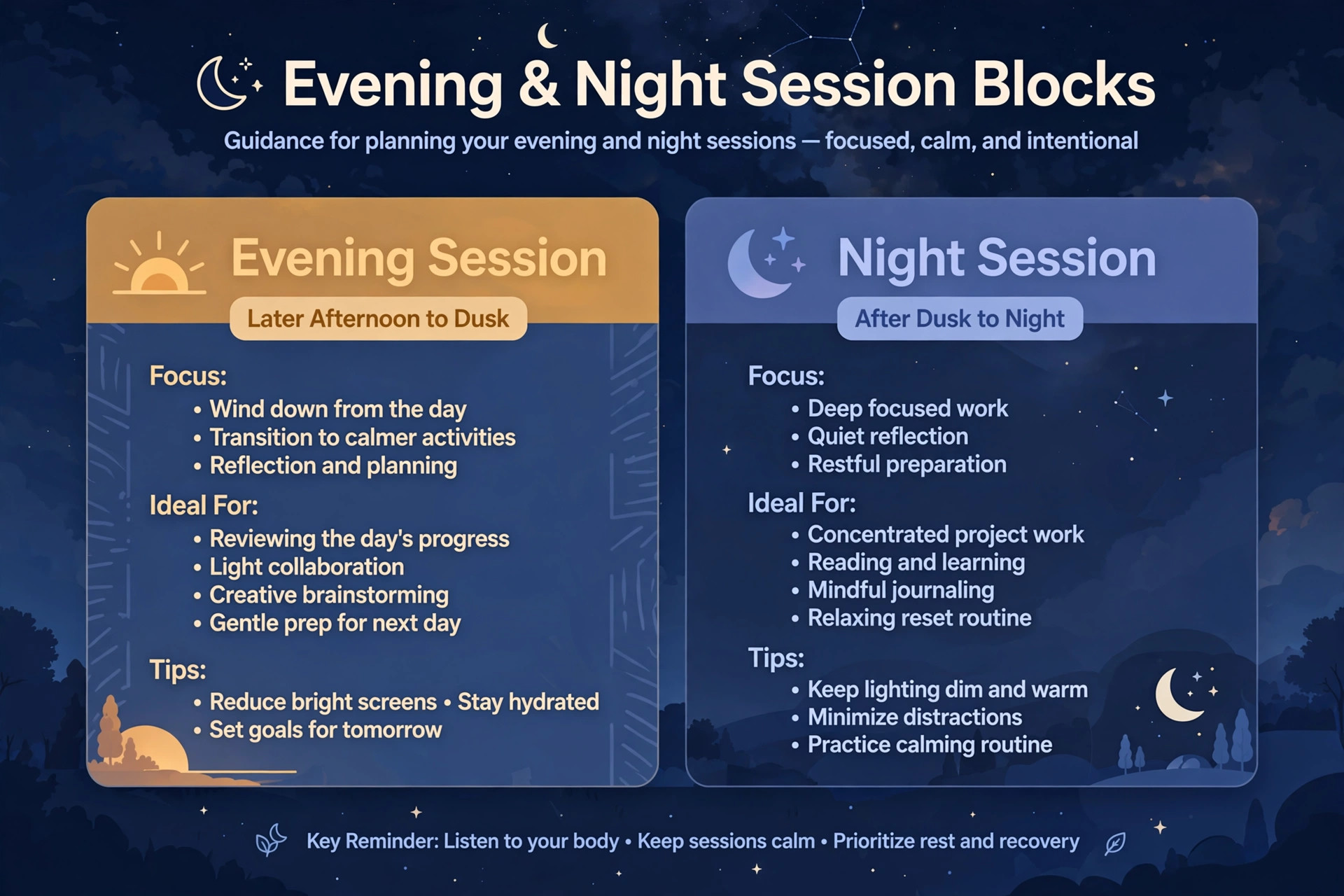
After a long gap through the dinner hours, the teer day closes with two night sessions. These are popular with followers who work during the day and can only check results in the evening, and they follow the same familiar FR-then-SR pattern as every other session.
Shillong Night Teer Time
The Shillong Night session mirrors the structure of the afternoon session but in the evening. Its teer result time for FR is usually around 8:30 PM, and the SR typically follows at around 9:30 PM. The hour-long gap between rounds matches the morning and afternoon Shillong sessions, which makes the schedule easy to remember: Shillong sessions keep a consistent one-hour rhythm between FR and SR wherever they appear in the day.
Night Teer Time
The Night teer session runs on the same evening schedule. Its FR is usually declared around 8:30 PM, and its SR typically follows around 9:30 PM. Like the morning overlap between Shillong Morning and Juwai Morning, the two night sessions declare side by side, so a single check around 8:40 PM and another around 9:40 PM covers both markets completely.
Night session timings at a glance:
– Shillong Night: FR usually around 8:30 PM, SR usually around 9:30 PM.
– Night teer: FR usually around 8:30 PM, SR usually around 9:30 PM.
With the night SR declarations at around 9:30 PM, the day’s eighteenth and final result is announced. The gap between the last afternoon declaration (roughly 4:50 PM) and the first night declaration (roughly 8:30 PM) is the longest quiet stretch of the teer day, nearly four hours, which is why many followers treat the night sessions as a separate, self-contained part of their routine.
How the Nine Sessions Fit Together on One Teer Day
Now that you have seen each time block, here is the full master timetable in one chronological table. Nine sessions, eighteen declarations, one day. Bookmark this section or keep this page open on your phone and you will always know what is coming next.
Master timetable, chronological:
– Early morning, Shillong Morning: FR usually around 10:30 AM, SR usually around 11:30 AM.
– Early morning, Juwai Morning: FR usually around 10:30 to 10:40 AM, SR usually around 11:30 to 11:40 AM.
– Late morning, Khanapara Morning: FR usually around 11:00 AM, SR usually around 12:00 PM.
– Early afternoon, Juwai: FR usually around 2:30 PM, SR usually around 3:00 to 3:10 PM.
– Mid afternoon, Shillong: FR usually around 3:45 PM, SR usually around 4:45 PM.
– Late afternoon, Khanapara: FR usually around 4:10 to 4:20 PM, SR usually around 4:45 to 4:50 PM.
– Late afternoon, Jowai and Ladrymbai: FR usually around 4:45 PM, SR usually around 4:50 PM.
– Evening, Shillong Night: FR usually around 8:30 PM, SR usually around 9:30 PM.
– Evening, Night teer: FR usually around 8:30 PM, SR usually around 9:30 PM.
A few patterns stand out once the day is laid out this way. First, every session everywhere follows the same FR-then-SR structure; once you understand one session, you understand all nine. Second, sessions cluster into three natural blocks (morning, afternoon, night) separated by real breaks, so you never need to watch the clock all day. Third, the FR-to-SR gap is usually between thirty minutes and one hour, with Jowai and Ladrymbai the notable exception at around five minutes.
What FR and SR Actually Mean
FR stands for the first round and SR stands for the second round. In the traditional archery-based game, archers shoot a set number of arrows at a target in the first round, and the count of arrows hitting the target determines the FR result. A second round follows, and its arrow count determines the SR result. The published result is a two-digit number derived from that count, shown in result cards with the placeholder format when no result is declared yet.
It is important to understand that FR and SR are independent events. The second round does not depend on the first round, and knowing one tells you nothing about the other. They are simply two separate draws that happen to share a session name and a ticket counter.
Why One Page Beats Nine Bookmarks
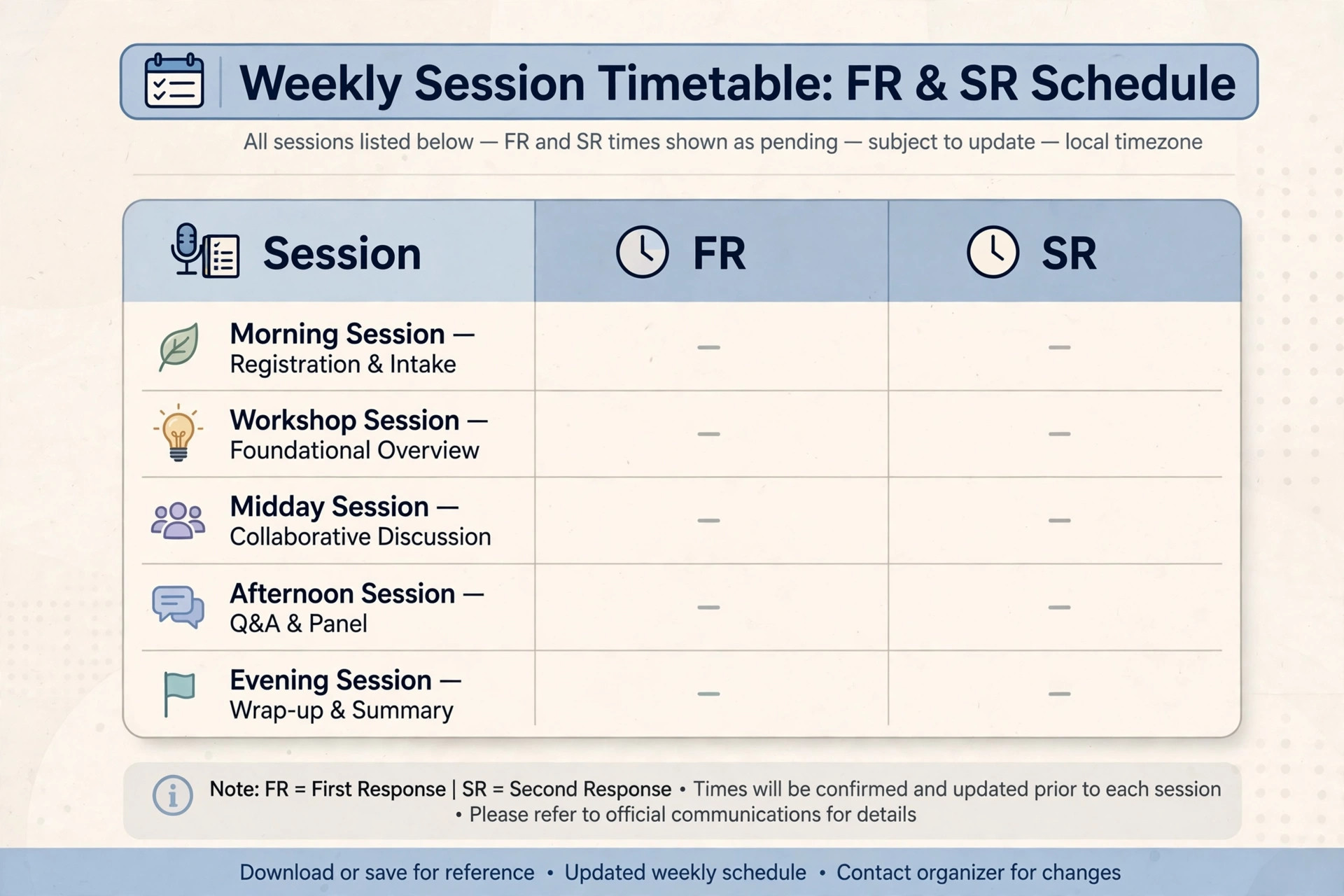
Some followers keep a separate bookmark for each market, but a single combined timetable page is more practical for three reasons. First, you see what is happening right now across all markets without switching pages. Second, you can plan your checks in the natural time blocks instead of reacting to each market separately. Third, when a result is delayed, you can see at a glance whether the delay affects one session or several, which tells you whether it is a local hiccup or a wider slowdown. The teer result list page complements this timetable by giving you the chronological archive of every declaration once it is made.
How to Use This Page as Your Daily Teer Result Time Reference
Knowing the timetable is one thing; using it smoothly every day is another. Here is a simple routine that experienced followers use, built directly on the time blocks above. It needs no special tools, just this page and the live result cards.
Step 1 – Start with the morning block. Around 10:45 AM, check for Shillong Morning FR and Juwai Morning FR. Around 11:45 AM, check for both SR rounds, and around noon confirm Khanapara Morning FR and SR. Two short sittings cover the entire morning.
Step 2 – Take the midday break. Between roughly 12:00 PM and 2:30 PM nothing is declared. This is the quietest part of the day and a good time to ignore teer entirely.
Step 3 – Work the afternoon block. Around 2:40 PM, look for Juwai FR, and around 3:15 PM for Juwai SR. Around 3:55 PM, check Shillong FR, then around 4:30 PM look for Khanapara FR. Between 4:55 PM and 5:00 PM, confirm Shillong SR, Khanapara SR, and both Jowai and Ladrymbai rounds. That single 5:00 PM check captures four declarations at once.
Step 4 – Return for the night block. Around 8:40 PM, check both night session FRs, and around 9:40 PM check both night session SRs. The day is done.
Step 5 – Use the archive when you miss a check. If life gets in the way and you skip a block, do not guess. Open the teer result list and read the declared results in order. Every declaration is recorded there with its market and round, so you can catch up in a minute without any confusion.
A few practical tips make this routine even smoother. Keep the live result cards on the All Teer Results homepage as your primary check and use this timetable page as the planning side of it. Set gentle phone reminders for the block starts that matter to you rather than for every single round; five reminders (10:45 AM, 2:30 PM, 3:45 PM, 5:00 PM, 8:30 PM) cover the whole day. And on Sundays, stand down completely: no sessions are held, no results are declared, and any site claiming a Sunday result is not describing the official game.
What to Do When Teer Result Time Is Delayed
Delays are a normal part of teer. Weather can slow the archery round, counting can take longer on busy days, and technical issues can hold up a declaration. A result that lands fifteen or thirty minutes after its typical time is still an ordinary day. Here is how to handle it without stress.
First, wait at least thirty minutes past the typical time before assuming anything is wrong. Most delays resolve within that window. Second, check whether other sessions are also late. If Shillong’s FR is late but Khanapara’s FR landed on time, the delay is local to one organizer. If everything after 3:45 PM is late, it is a wider slowdown, often weather-related. Third, never treat a missing result as a reason to look for the number somewhere unofficial. Unverified sources are where fake numbers spread, and a fabricated result is worse than a late one because it can mislead ticket holders. Wait for the official declaration on the result cards.
If a session is cancelled for the day, which happens occasionally on public holidays or during severe weather, the result cards will reflect that. The teer result list archive makes cancellations easy to spot: the day’s sequence simply skips that session. Do not try to fill the gap from memory or from another day’s numbers; each day’s results belong to that day only.
A note on responsible play belongs here too. Teer is a legal lottery in Meghalaya, conducted under state regulation, and it is for adults aged 18 and above only. If you participate, do so responsibly and within limits you set for yourself. You can read more about the legal framework on the official Meghalaya government portal and the National Portal of India.
Teer Result Time FAQs
What is the teer result time today?
Teer result time today follows the standard daily timetable: morning sessions declare between roughly 10:30 AM and 12:00 PM, afternoon sessions between roughly 2:30 PM and 5:00 PM, and night sessions between roughly 8:30 PM and 9:30 PM IST. The exact minute of each declaration can vary slightly by day and organizer, so check the live result cards on this site for today’s exact declarations. Game days are Monday to Saturday; Sunday is a holiday with no sessions.
How many teer result times are there in a single day?
There are eighteen individual teer result times in a full game day: nine sessions, each with a first round (FR) and a second round (SR). The nine sessions are Shillong Morning, Juwai Morning, Khanapara Morning, Juwai, Shillong, Khanapara, Jowai and Ladrymbai, Shillong Night, and Night teer. Each session declares its FR first and its SR later, usually thirty minutes to one hour apart.
What is the Shillong teer time for FR and SR?
The Shillong teer time for the main afternoon session is usually around 3:45 PM for FR and around 4:45 PM for SR. Shillong Morning usually declares FR around 10:30 AM and SR around 11:30 AM, while Shillong Night usually declares FR around 8:30 PM and SR around 9:30 PM. All three Shillong sessions keep a consistent one-hour rhythm between their two rounds.
What is the Juwai teer time for FR and SR?
The Juwai teer time for the afternoon session is usually around 2:30 PM for FR and around 3:00 to 3:10 PM for SR. Juwai Morning usually declares FR around 10:30 to 10:40 AM and SR around 11:30 to 11:40 AM. Note that Juwai Morning and Shillong Morning declare in nearly the same window, so always check the market label on the result card.
What is the Khanapara teer time for FR and SR?
The Khanapara teer time for the afternoon session is usually around 4:10 to 4:20 PM for FR and around 4:45 to 4:50 PM for SR. Khanapara Morning usually declares FR around 11:00 AM and SR around 12:00 PM. The afternoon Khanapara rounds interleave closely with the Shillong afternoon rounds, so the timetable table above is the clearest way to keep them straight.
Why is the teer result time sometimes different from the schedule?
Exact minutes shift for ordinary operational reasons: the archery round itself can run long, counting and verification take time, weather can slow play, and organizers occasionally adjust for the day. A delay of up to thirty minutes is normal. If a result has not appeared well beyond that, check whether neighboring sessions are also late, which points to a wider slowdown, and avoid unofficial sources that may publish unverified or fake numbers while you wait.
Is there teer result time on Sunday?
No. Sunday is the weekly holiday for teer, and no sessions are held and no results declared. The game runs Monday to Saturday. If you see a site publishing a Sunday result, treat it with skepticism, because it does not correspond to the official schedule.
How can I read a teer result once it is declared?
A declared result appears on the result card as a two-digit number for FR and a two-digit number for SR, each clearly labeled with the market name and round. When a round has not been declared yet, the card shows a placeholder “-“. For example only, a card might display “FR: -” and “SR: -” before declaration (example only, not a real result). After declaration, each dash is replaced by the official two-digit number for that round.
Conclusion
The teer result time is the backbone of following the game: eighteen declarations across nine sessions, grouped into three natural blocks that run from around 10:30 AM to around 9:30 PM IST, Monday to Saturday. With this timetable you can plan your whole day in five short checks, understand how the morning, afternoon, and night blocks fit together, and stay calm when a declaration runs a little late. Keep this page as your daily reference, confirm each declaration on the live result cards, and use the result list archive whenever you miss a check. Play responsibly, and only if you are 18 or older.