
What the Shillong Teer Previous Result Archive Is
The term shillong teer previous result refers to the officially declared outcomes of earlier Shillong Teer archery sessions, stored and displayed so that anyone can look them up later. Shillong Teer is a legal archery-based lottery run in Shillong, the capital of Meghalaya, and it has been held on working days for many years. Because the game runs almost every day, thousands of past outcomes exist, and an archive is the organized collection of all these earlier results in one place.
An archive of old results is different from a page that shows only today. A daily result page tells you what happened this afternoon. An archive tells you what happened on any date you choose, last week, last month, or even further back. Players, researchers, and curious readers use it as a reference library rather than as a betting tool. Every entry is a historical fact: the number that was declared for a specific round on a specific date.
The value of a shillong teer previous result archive comes from its structure. Without structure, thousands of outcomes would be a meaningless jumble. With structure, each outcome sits exactly where it belongs, tagged with its date, its round, and sometimes a note about special circumstances. This reference guide explains how those archives are built, how to read them, and what each part of an entry means. You can also browse the complete teer result list to see how daily outcomes are published before they join the archive.
For background on how legal lotteries work in India, the Lotteries in India article on Wikipedia gives an independent overview of the state-regulated framework.

How Shillong Teer Previous Result Records Are Organized by Date
The backbone of every shillong teer previous result archive is the calendar. Results are grouped first by year, then by month, and finally by individual date. This hierarchy exists because people usually remember roughly when a result was declared (“sometime last March” or “the second week of this month”) rather than an exact day. A date tree lets a reader drill down from a broad period to a single day in two or three clicks.
Most archives present the current month as a full grid. Each cell in the grid holds one date, and inside the cell the two round outcomes appear. Past months are usually reached through a month picker or through links labeled by month and year, such as “August 2026” or “September 2026.” Yearly archives, where they exist, collect the twelve monthly tables under one roof so that a full shillong teer result history for a calendar year can be reviewed on a single page.
A few practical details matter here. First, Sundays are rest days in Shillong Teer, and public holidays can also pause the game, so a genuine archive shows gaps on those dates instead of inventing numbers. Second, dates are normally shown in a clear format such as 12 September 2026 or 12-09-2026, and the day of the week is sometimes added. Third, the newest entries sit at the top in most modern archives, while older entries flow downward, which matches how people actually search: they start with recent days and move backward.
If you want to see the freshest outcomes before they are filed away, the daily Shillong Teer result page publishes each round as it is declared.

The Two Rounds – FR and SR Explained
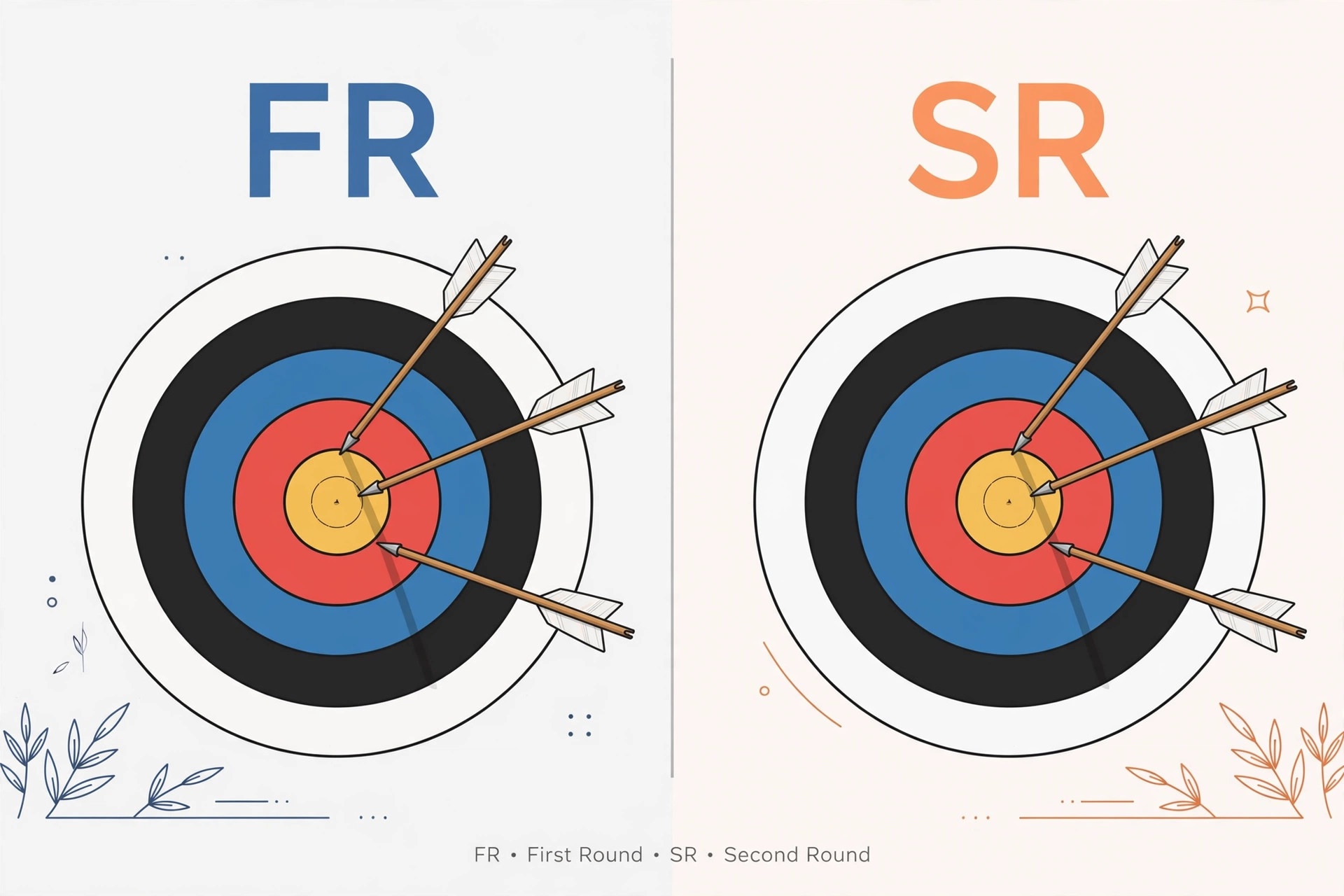
Every day of Shillong Teer play is divided into two rounds, and understanding the rounds is essential to reading any shillong teer old result correctly. The first round is called FR, short for First Round. The second round is called SR, short for Second Round. Both rounds follow the same basic format: a group of archers shoots arrows at a target, and the declared number is derived from the count of arrows that hit the target.
The FR round takes place in the afternoon. Archers shoot a set number of arrows, traditionally around thirty per archer in the first round, and the last two digits of the total number of arrows that strike the target become the FR result. Because the count can range widely, the declared outcome is always a two-digit number from 00 to 99.
The SR round follows later in the afternoon or early evening. It works the same way, except that each archer shoots fewer arrows, traditionally around twenty per archer. Again, the last two digits of the hitting arrows form the SR result, also a two-digit number from 00 to 99.
This two-round structure is why every archive entry is really a pair. A single date in the archive carries two outcomes, one for FR and one for SR. When you look up a previous teer result, always check both numbers and note which round each belongs to. Confusing an FR number with an SR number is one of the most common reading mistakes, and a well designed archive prevents it by labeling each column or cell clearly. You can read more about how the rounds are declared each day on the Shillong Teer result page.
What a Single Archive Entry Contains
A shillong teer previous result archive entry is small, but each element in it has a purpose. Below is a breakdown of the standard fields you will find in a complete entry, and what each one tells you.
The Date Field
The date identifies exactly which playing day the entry belongs to. As noted above, it is usually shown with the day, month, and year, sometimes with the weekday. The date is the primary key of the archive: no two playing days share the same date, so it is the most reliable way to point at one specific historical outcome.
The Round Labels
Round labels mark which number belongs to FR and which belongs to SR. In table layouts these are column headers. In card layouts each number sits inside a small box labeled FR or SR. Some archives also add the session name, such as “Shillong Teer” as opposed to morning or night sessions from other towns, so that readers do not mix up games.
The FR Outcome
This is the two-digit number declared for the first round of that date. It is presented exactly as announced, with a leading zero kept where it applies, so 07 appears as 07 rather than 7 (example only, not a real result). Keeping the leading zero matters because the result is always two digits, and dropping it would change how the number reads in charts and lists.
The SR Outcome
This is the two-digit number declared for the second round of that date, presented the same way. Together with the FR outcome, it completes the record for the day.
Special Notes
Good archives add short notes where needed. Common notes include “Sunday – no game,” “holiday – no game,” or “result delayed” on days when a declaration ran late. These notes protect the integrity of the record: an empty cell with a note is honest, while a missing cell with no explanation looks like an error.

Reading a Teer Result Chart
A teer result chart is the visual form of the archive. Instead of listing entries as separate cards, a chart arranges them in rows and columns so that patterns across time become visible at a glance. The most common chart layout puts dates down the left side as rows and the two rounds across the top as columns. Reading across one row gives you the full story of a single day. Reading down one column lets you follow one round across many days.
Some charts flip this arrangement or add extra columns for the weekday, the session name, or notes. Weekly charts group seven days together, which is handy for reviewing a single week. Monthly charts are the workhorses of the shillong teer result history world: thirty days of paired outcomes on one screen, with Sundays and holidays marked.
Here is how to read a chart without making mistakes. First, confirm the month and year shown at the top of the chart; archives that cover many months can look alike. Second, find the row for your date and read straight across so that you take the FR and SR numbers from the same day. Third, remember that every number is a two-digit outcome from 00 to 99, so a value like “-” or a blank cell means no game was held, not a missing digit. Fourth, treat any “example only, not a real result” label seriously if the chart is a template or a tutorial; sample numbers in guides are placeholders.
Charts are reference tools, not prediction tools. The layout that makes history easy to scan can tempt readers into hunting for patterns, but each round is an independent event. A chart tells you what happened. It cannot tell you what will happen.
Shillong Teer Result History – How Far Back Records Go
The shillong teer result history stretches back many years, because the game has been played in its organized form since long before the internet era. Digital archives, however, usually cover the period since the early 2010s, when result websites began keeping systematic records. The depth of any single archive depends on when its maintainers started collecting and how carefully they preserved the data.
Long-running archives are valuable for several reasons. Journalists and researchers use them to describe the game accurately. Writers documenting the tradition of archery in Meghalaya use them as primary sources. Players sometimes use them to settle friendly debates about what happened on a particular date. In all these uses, the archive serves as a neutral record: it reports, it does not advise.
When you browse deep history, expect the formatting of very old entries to differ slightly from recent ones. Early digital records were sometimes typed by hand and may carry small inconsistencies in date format or spelling. Reputable archives clean these up over time, but a stray typo in a decade-old entry does not make the whole record unreliable. What matters is that the dates, rounds, and outcomes are complete and that gaps for Sundays and holidays are shown honestly.
The official Meghalaya government portal is the authoritative source for information about the state where this legal lottery operates.
How Archives Are Maintained and Updated
A shillong teer previous result archive is a living document. Each playing day, the newly declared FR and SR numbers are added to the top of the current month, and the archive grows by one entry. Maintainers usually update the archive shortly after each round is declared, so the previous day becomes “previous” within hours.
Accuracy is the core job of maintenance. Responsible archive keepers follow a few simple rules. They record numbers exactly as declared, including leading zeros. They never fill a Sunday or holiday cell with a number. They correct mistakes openly when a typo is spotted, rather than quietly rewriting history. And they keep the archive focused on facts, without adding predictions, tips, or commentary that could be mistaken for advice.
Some archives also keep a change log or a “last updated” timestamp so readers can see how fresh the data is. If you ever notice that an archive has not been updated for several playing days, treat its recent entries with caution and cross-check against another source before relying on them.
You can learn more about this website and its approach to publishing results on the about us page.

Common Terms Found in Old Result Listings
Archive pages use a small vocabulary of terms, and knowing them makes the shillong teer result list much easier to navigate. Here are the most common ones.
Previous Result and Old Result
These phrases mean the same thing: an outcome from an earlier date. “Shillong teer old result” is simply the informal version of “shillong teer previous result,” and archives may use either label for the same pages.
Result List
A result list is the running sequence of outcomes, usually in date order. The teer result list on this site shows recent outcomes before they pass into the long-term archive.
FR and SR
As explained above, FR is the first round and SR is the second round of the day. In some older listings you may see “F/R” and “S/R” with slashes, which mean the same thing.
Chart and History
A chart is the tabular visual layout of results. History is the full collection of past results over a long period. A “teer result chart” therefore shows the “shillong teer result history” in table form.
Declared and Announced
Both words mean the number has been officially published by the organizers. An archive only contains declared numbers; anything labeled as an expectation, guess, or forecast does not belong in it.
Using Previous Teer Result Data Responsibly
Archives exist to inform, and informing includes being honest about what old results can and cannot do. Past outcomes describe the past. They do not influence future rounds, because each round is a separate physical event with its own archers, arrows, and conditions. Reading a long shillong teer result history can be interesting, but it should never be treated as a method for choosing numbers.
Teer is a legal lottery in the state of Meghalaya, regulated under the applicable laws. Participation is for adults aged 18 and above only. If you choose to play, set a strict budget, never chase losses, and treat it as entertainment rather than income. If playing stops being fun, stop playing and seek support from a responsible-gaming helpline in your region.
A final note on privacy and sharing: archive pages are public reference material, so linking to them or quoting a historical outcome is fine. What you should not do is present an old number as if it were a new declaration. Always include the date and round when you share a previous teer result so that nobody mistakes history for news.
Frequently Asked Questions
What is a shillong teer previous result?
A shillong teer previous result is the officially declared outcome of an earlier Shillong Teer round. Every playing day has two of them, one for the first round (FR) and one for the second round (SR), and archives store them by date so they can be looked up later.
Where can I find the shillong teer result list for old dates?
Old outcomes live in archive sections organized by month and year. Start from a current result page and look for archive, history, or previous-result links, then pick the month and date you need. The teer result list is a good starting point for recent dates.
What does an archive entry contain?
A complete entry contains the date, the session or game name, the FR outcome, the SR outcome, and any special note such as a Sunday or holiday with no game. Well kept entries preserve leading zeros, so a result of seven would appear as 07 (example only, not a real result).
Why are some dates blank in the teer result chart?
Blank dates usually mean no game was held that day. Sundays are regular rest days in Shillong Teer, and public holidays also pause play. A trustworthy chart marks these days with a note instead of a number.
How far back does the shillong teer result history go?
Digital archives commonly cover many years of results, often reaching back to the early 2010s when systematic online record-keeping began. The game itself is older, but day-by-day digital records before that period are rare.
Can previous results help predict future results?
No. Each round is an independent event, and past outcomes have no influence on future ones. Archives are reference tools for looking up history, not prediction tools. Any site that claims old results reveal future numbers is misleading its readers.
Is Shillong Teer legal?
Yes. Teer is a legal, state-regulated archery lottery in Meghalaya, India. It is for adults aged 18 and above only. Play responsibly and within your means.
Conclusion
The shillong teer previous result archive is best understood as a library: every entry shelved by date, every round labeled, every gap explained. Whether you consult it to settle a question about a past date, to study how the records are kept, or simply out of curiosity about the tradition, the archive rewards careful reading. Use the date structure, respect the FR and SR labels, and remember that history is a record, not a roadmap. For the newest declarations, visit the homepage each day, and let the archive keep the past exactly where it belongs.