
Every afternoon, lakhs of people across Meghalaya, Assam, and the Northeast search for the day’s teer numbers. Where there is that much daily traffic, fake teer result websites follow like shadows. These copycat pages look convincing, rank on search engines, and post numbers that were never declared at any teer ground. If you check results online, learning how to tell a genuine page from a fraud is not optional. It is basic self-defense for your time, your money, and your peace of mind.
This guide walks you through the whole picture. You will learn why these scam sites exist, what they look like, the exact red flags that expose them, and a five-minute verification routine you can use every single day. No technical background needed.
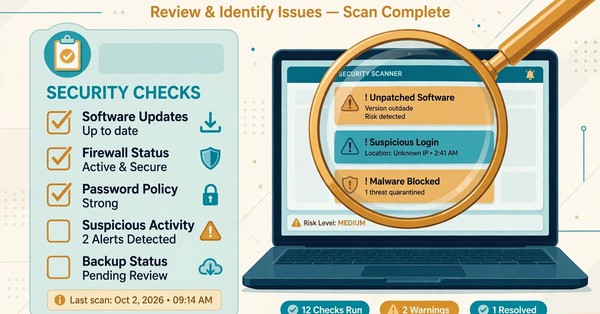
Why Fake Teer Result Websites Exist in the First Place
Teer is a legal, archery-based lottery run in Meghalaya under state regulation, with organized games in Shillong, Jowai, and Khanapara. The results come from real archery rounds held at physical grounds like the Polo Ground in Shillong. Because the games run almost every working day, they create enormous, predictable search demand. Millions of searches happen daily for terms around teer results.
That demand is the business opportunity for scammers. A fake teer result site costs almost nothing to build: a cheap domain, a free theme, and copied text. Once it ranks or gets shared on WhatsApp and Facebook, it starts earning. Revenue comes from aggressive ad networks, pop-ups, fake “VIP number” sales, paid prediction subscriptions, and sometimes outright phishing that harvests phone numbers and personal details. Some of these sites even sell so-called “confirmed” numbers for the next day’s game, which is pure fiction since nobody can know a result before the archers shoot.
The uncomfortable truth is that a site posting invented numbers can look exactly like a site posting real ones, at least on the surface. Both have tables, dates, and the words “First Round” and “Second Round.” The difference lives in the details, and the details are what this guide teaches you to read.
The Anatomy of a Fake Teer Result Website
Before you can spot one, it helps to know what you are looking at. Most teer fraud websites follow a recognizable template because they are built fast and cheap, often by the same operators running dozens of domains at once.
They publish numbers before the rounds happen
Real teer results can only exist after the archers shoot. In Shillong, the first round is declared in the afternoon and the second round later in the evening. Any site showing “today’s” full result early in the morning, before any shooting has taken place, is inventing numbers. This is the single most reliable tell. A genuine publisher will show a placeholder or a “result awaited” note until the declaration happens. A fake one fills the table with whatever looks plausible.
They have no history you can check
Trustworthy result publishers keep archives. You can scroll back weeks or months and see consistent records. Fake teer result websites often have thin or inconsistent archives, pages full of placeholder text, or history that changes when you look twice. Some show the same “archive” template with different numbers typed in by hand. If a site cannot show you a stable, believable record of past results, treat its current numbers as fiction.
They push predictions harder than results
Here is a pattern worth memorizing. A real result website exists to report what happened. A fake teer result site exists to sell what might happen. If the homepage screams about “100% sure numbers,” “VIP common numbers,” “direct hit guarantee,” or paid WhatsApp groups more loudly than it reports the actual declared result, you are on a marketing page wearing a result site’s clothes. Teer outcomes come from arrows hitting a target. No website, astrologer, or “VIP agent” can guarantee them in advance.
They hide who they are
Look for an About page, a contact email, a named publisher, anything that ties the site to a real person or organization. Fake sites usually have none of this, or they have a one-paragraph “About Us” that says nothing verifiable. Some list contact forms that go nowhere. Anonymity is a scammer’s best friend. For comparison, a transparent publisher tells you plainly who runs the site and how to reach them, like the team behind the About Us page here.
12 Red Flags That Expose Fake Teer Result Websites
Run through this checklist whenever you land on an unfamiliar result page. One red flag might be sloppy design. Three or more means you should leave.
Flag 1: Numbers appear before declaration time
As covered above, timing is everything. Morning “results” for an afternoon game are impossible. This alone disqualifies a site.
Flag 2: No “awaited” state ever
Real publishers show waiting states. If a site always has numbers filled in, even minutes after midnight for a game played later that day, those numbers were typed by someone, not declared at a ground.
Flag 3: Aggressive pop-ups and redirects
A page that throws three pop-ups, auto-redirects your browser, or triggers app-install prompts is monetizing your visit aggressively. Legitimate publishers keep advertising reasonable because they want you to return tomorrow. Scam sites extract maximum value from a single visit because they know you might never come back.
Flag 4: Paid “sure number” offers
Any mention of paying for guaranteed numbers is an instant disqualification. This is not a gray area. Teer results are decided by archery at physical grounds. Selling certainty about a future sporting outcome is fraud, full stop.
Flag 5: No archive or a fake-looking archive
Check the site’s history pages. Consistent formatting, stable past entries, and working date navigation are good signs. Blank archives, broken links, or archives where every entry looks freshly edited are bad ones.
Flag 6: Copied content with no added value
Many fake sites scrape text from genuine pages, change a few words, and republish. If the “how teer works” article reads like a scrambled copy of something you have read elsewhere, the operator invested nothing in accuracy either.
Flag 7: Suspicious domain tricks
Watch for domains that mimic trusted names with extra words, hyphens, odd extensions, or misspellings. Scammers also rotate domains frequently; if the site you bookmarked last month now redirects somewhere strange, that is a warning.
Flag 8: No contact information
A result publisher with no email, no contact page, and no social presence is a ghost. Ghosts do not correct their mistakes, and they do not answer when their numbers are wrong.
Flag 9: Fake trust badges and counters
“10 lakh visitors today,” “government approved,” “official partner” badges that link nowhere. Real sites do not need to shout about trustworthiness with clip art. Check whether any claimed affiliation actually links to a verifiable source.
Flag 10: Numbers that never match other sources
This is the practical test. Compare the site’s numbers with two or three other established publishers for the same date and round. Genuine results converge because everyone reports the same declared outcome. If one site consistently stands alone with different numbers, it is the outlier inventing them.
Flag 11: Pressure tactics and countdown timers
“Offer ends in 10 minutes,” “only 5 VIP slots left,” flashing banners urging you to join a paid group before the next round. Urgency is a sales tool, not a reporting tool. A result page has no reason to rush you.
Flag 12: Requests for personal or payment details
A result website needs nothing from you. If it asks for your phone number to “view the full result,” your bank details for a “free trial,” or an OTP for any reason, close the tab. That is phishing, not publishing.
How to Verify a Real Teer Result Website in Five Minutes
Spotting fakes is half the skill. Confirming the genuine article is the other half. Here is a routine that takes about five minutes and works every day.
Step 1: Check the timing logic
Ask yourself whether the result could physically exist yet. The rounds happen at the grounds in the afternoon and evening. A site posting the second round number before the first round could even be declared is lying to you. Build the habit of checking the clock before trusting the table.
Step 2: Cross-check across multiple publishers
Open two or three well-established result sites and compare the same date and round. When all of them show the same numbers, you are looking at the declared outcome. You can start with the complete result listing on this site and compare it against other publishers you have used before. Agreement across independent publishers is the strongest signal available to an ordinary player.
Step 3: Inspect the site’s identity
Click the About page. Look for a real description of who runs the site and why. Check for a working contact page. A publisher willing to be identified and contacted is accountable in a way anonymous operators are not.
Step 4: Review the archive depth
Scroll back a month. Then two. Real archives are boring and consistent, which is exactly what you want. Each day should have its entry, formatted the same way, with no gaps that suggest the site was thrown up last week.
Step 5: Watch how it handles the waiting period
The most honest thing a result site can do is say “awaited.” Publishers who display a clear waiting state before declaration, and update promptly after, are describing reality. Publishers who never wait are describing imagination.
What Scammers Actually Do With Your Visit
Understanding the motive sharpens your eye. Fake teer result websites are not usually built by teer fans with sloppy habits. They are built to extract value, and the methods are worth knowing.
The mildest version is ad arbitrage: rank for result keywords, show you invented numbers, and earn from the ads around them. These teer result scam sites do not need you to pay anything. Your visit alone is inventory they sell to ad networks. You lose nothing but accuracy, which still matters if you play based on what you read.
The middle version is the prediction upsell. Free invented “results” build an audience, and then the site funnels visitors toward paid “VIP” or “common number” schemes. Players pay for certainty that does not exist. Some operators run this across dozens of domains simultaneously, shutting down and reopening under new names when complaints pile up.
The worst version is data harvesting and phishing. Fake result apps and sites that demand phone numbers, OTPs, or payment details can lead to spam, fraud calls, or drained wallets. This is why the rule is absolute: a result website that asks for your personal details is not a result website.
There is also a quieter harm. When fake sites post wrong numbers, some players believe they won or lost based on fiction. Arguments at ticket counters, confusion in local betting circles, and mistrust of genuine publishers all trace back to invented numbers circulating as fact.
What to Do If You Already Trusted a Teer Fraud Website
Maybe you are reading this after the fact. Do not panic, and do not feel foolish. These sites are designed to deceive, and millions of smart people get caught by well-made fakes. Here is what to do.
First, stop using the site and do not pay it anything further. If you joined a paid “VIP” group, cancel any recurring payment immediately and keep records of what you paid and to whom.
Second, if you shared personal details like your phone number, stay alert for spam calls and messages in the coming weeks. Do not share OTPs with anyone who contacts you claiming to be from the site. If you shared payment details, contact your bank about monitoring the account.
Third, report the site. You can report fraudulent websites through your country’s cybercrime reporting portal, and you can report the page to search engines so it stops appearing for other players. If the scam involved a messaging app group, report the group inside the app as well.
Fourth, switch to verification habits going forward. Bookmark two or three publishers you have verified using the five-minute routine above, and make them your daily check. For Shillong’s games specifically, you can follow the dedicated Shillong Teer result page here as one of your cross-check sources.
Finally, tell someone. A quick message to friends or family who also check results online does more good than you might think. Scam sites thrive on each victim staying quiet.
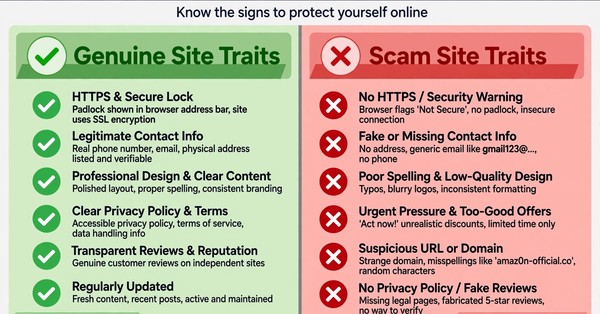
A Note on the Word “Official”
You will see many sites describe themselves as “official.” Here is the honest background. Teer games are organized by archery associations, such as the Khasi Hills Archery Sports Association for Shillong Teer, under Meghalaya’s legal framework for the game. The results themselves are declared at the grounds, in front of those present.
No private website is the government. So if you go looking for an official teer result site, adjust your expectation: you are looking for the most honest messenger, not a government office. When a result site calls itself “official,” it usually means it aims to publish the declared numbers quickly and accurately, not that it is run by the association or the state. Treat the word as marketing unless the site can show a genuine affiliation. What you actually want is not an “official” label but a track record: consistent numbers, honest waiting states, archives, and a reachable publisher.
If you want background on the game’s legal status, the Meghalaya government portal is the authoritative starting point for how the state administers lotteries and related regulation. For a general overview of the game itself, the Teer article on Wikipedia summarizes its archery-based format and regional presence.
Frequently Asked Questions About Fake Teer Result Websites
How can I quickly tell if a teer result site is fake?
Check the timing first. If the site shows a full result before the rounds are physically declared in the afternoon and evening, the numbers are invented. Then cross-check the same date and round on two other established publishers. If the numbers disagree, the outlier is the fake. Finally, look for an About page, a contact option, and a real archive. Fakes usually fail at least two of these three checks.
Are all sites that sell “sure numbers” scams?
Yes. Teer results come from archery rounds shot at physical grounds like Polo Ground in Shillong. Nobody can know the outcome before the arrows fly. Anyone selling guaranteed or “100% sure” numbers for a future round is selling fiction. This applies to websites, WhatsApp groups, Telegram channels, and individuals at ticket counters alike.
Can a fake teer result website steal my money directly?
It can, in several ways. Some push paid prediction subscriptions that never deliver value. Others harvest phone numbers and personal details for spam or fraud. The most dangerous ones phish for OTPs or payment information through fake “unlock full result” prompts. Never enter personal or payment details on a result website. A genuine publisher needs nothing from you to show you the numbers.
Why do fake sites sometimes show the correct numbers?
Two reasons. First, some copy the real declared numbers from genuine publishers after the fact, which makes them look accurate while adding nothing. Second, pure chance: with numbers from 00 to 99, a guessed number lands correctly one time in a hundred, and scammers loudly advertise the hits while burying the misses. Occasional accuracy proves nothing. Consistency, timing honesty, and transparency prove everything.
Is it safe to use teer result apps from app stores?
Treat apps with the same checklist you use for websites, and add one more layer of caution. Check the developer name, read recent reviews critically, and see what permissions the app requests. A result app has no business asking for your contacts, SMS access, or device admin rights. Prefer well-known publishers, keep the app updated, and never pay inside an app for “VIP numbers.”
What should I do if I paid money to a fake prediction seller?
Stop all payments immediately and keep every record: screenshots, transaction IDs, chat histories, and the seller’s contact details. Report the fraud to your country’s cybercrime portal and inside the messaging app used. If you paid by bank transfer or card, inform your bank. Recovery is not guaranteed, but reporting helps shut the operation down and protects the next potential victim.
Does a professional-looking design mean a site is genuine?
No. Templates are cheap, and scammers buy the same polished themes genuine publishers use. Design is the easiest thing to fake. Judge a result site by its behavior instead: honest waiting states before declaration, numbers that match other publishers, a real archive, and an identifiable publisher behind it. A plain site that behaves honestly beats a beautiful site that invents numbers.

Final Word: Stay Sharp, Play Safe
Fake teer result websites survive on one thing: players checking in a hurry. Slow down by five minutes, run the timing test, cross-check across publishers, and look for a real human behind the page. Those small habits make you nearly immune to the whole category of scam.
Teer itself is a legal, regulated game in Meghalaya, rooted in the archery traditions of the Khasi Hills, and it is meant to be enjoyed responsibly by adults. The results are public facts declared at real grounds. Anyone can report them honestly, and the honest ones are easy to recognize once you know what to look for.
Bookmark the publishers that pass your checks, share this guide with friends who play, and teach at least one person how to identify genuine teer result sources the same way you just learned. If you want to start building your verified list today, the All Teer Results homepage is a solid first bookmark.
*Teer is a legal lottery in Meghalaya for players aged 18 and above. Play responsibly and never wager more than you can afford to lose.*