
If you have ever watched the archers line up at Polo Ground in Shillong and wondered whether the betting around them is actually allowed, you are asking the question millions of people type into Google every month: is teer legal in india? The short answer is that teer is fully legal in Meghalaya, where the state government regulates it as a licensed lottery under the Meghalaya Amusement and Betting Tax (Amendment) Act of 1982. Outside Meghalaya the picture gets murkier, because gambling in India is controlled state by state, and most states have never written teer into their own laws.
This guide walks you through the whole story, from colonial era archery clubs in the Khasi Hills to the modern licensing system, and then gives you a state wise breakdown of where teer stands today. Everything here is evergreen and written for general understanding. It is not legal advice. If you are unsure about your own state, check with a local legal professional before participating in any form of betting.
How Archery Became a Lottery: The Road to “Is Teer Legal in India?”
Teer did not start as a lottery. It started as archery, a sport woven into the life of the Khasi people of Meghalaya long before anyone printed a ticket. Understanding that journey matters, because the legal status of teer today rests on this cultural foundation rather than on a loophole.
British Era Archery Clubs in the Khasi Hills
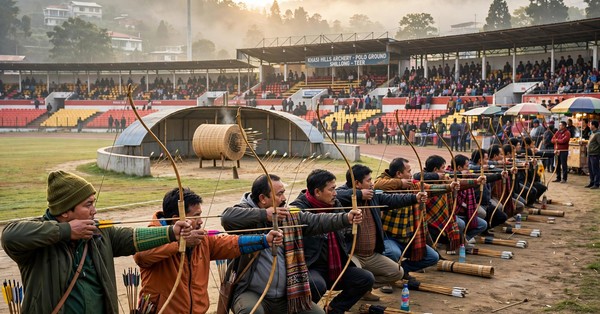
Archery has been practised in the Khasi Hills for centuries. It was a hunting skill, a sport, and a social gathering all at once. During the British colonial period, organised archery clubs began to appear around Shillong. Men would gather in open grounds, shoot arrows at bamboo targets, and compete for honour and small prizes.
Over time, spectators began wagering small amounts on how many arrows would strike the target. This was informal at first, the kind of friendly betting that happens around village sports everywhere. But the practice grew steadily through the early and mid twentieth century. By the 1970s, the betting around archery contests in Shillong had become large enough that the state government could no longer ignore it.
What is interesting is that nobody tried to ban it outright. The archery was real, the crowds were real, and the cultural roots ran deep. Instead of prohibition, Meghalaya chose regulation, a decision that shapes the answer to is teer legal in india even now.
The 1982 Turning Point for Teer Legality
In 1982, Meghalaya passed the Meghalaya Amusement and Betting Tax (Amendment) Act, bringing archery based betting under a formal licensing and taxation framework. This was the moment teer moved from a tolerated custom to a legally recognised activity. Licensed bookmakers could sell tickets, the state could collect tax revenue, and the draws could be conducted openly under official supervision.
The Khasi Hills Archery Sports Association, usually called KHASA, became the central body overseeing the archery events themselves. The archers shoot at the Polo Ground in Shillong, a venue every teer follower knows by name. In the afternoon, the first round takes place, and in the evening the second round follows. The last two digits of the total arrows hitting the target decide the winning number for each round.
This structure is why the phrase meghalaya teer act india appears in so many legal discussions. Meghalaya did not just permit teer. It built an administrative machine around it, with licences, counters, tax collection, and a recognised sports association running the actual shooting.
The Meghalaya Teer Act: What the Law Actually Says
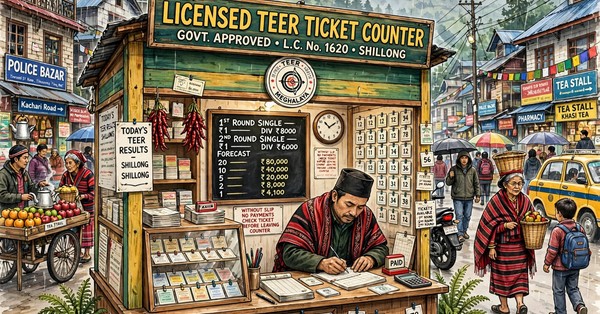
People often ask for the exact text of the law, so here is the practical version. The Meghalaya Amusement and Betting Tax (Amendment) Act 1982 treats teer as a form of betting on an amusement, meaning the archery contest. Bookmakers must hold licences issued under the state framework, tickets may only be sold through authorised counters, and the government levies tax on the activity.
Licensing Keeps Teer Legal in Meghalaya
A licence is the line between legal teer and illegal gambling in Meghalaya. Licensed operators sell tickets from recognised counters in Shillong and other approved locations. They follow rules about how draws are conducted and how results are declared. Unlicensed operators running their own number games outside this system are not covered by the legal umbrella, and the state treats them as illegal gambling operations.
This is a point worth stressing for anyone researching teer legal states india. Meghalaya is the only state with a dedicated legal framework naming this exact activity. That is what makes Shillong Teer the reference point for the entire teer world.
Who Runs the Draws at Polo Ground Shillong
The archery itself is managed by the Khasi Hills Archery Sports Association. Dozens of archers, sometimes around fifty in a round, shoot a set number of arrows each at a cylindrical bamboo target. Officials count the arrows that hit. The count is announced publicly, and the final two digits become the result for that round.
The whole process happens in the open, in front of spectators, which is one reason the system has kept public trust for decades. Anyone standing at the Polo Ground can watch the shooting and the counting. There is no hidden draw machine and no closed room.
Is Teer Legal in India Outside Meghalaya? State Wise Status
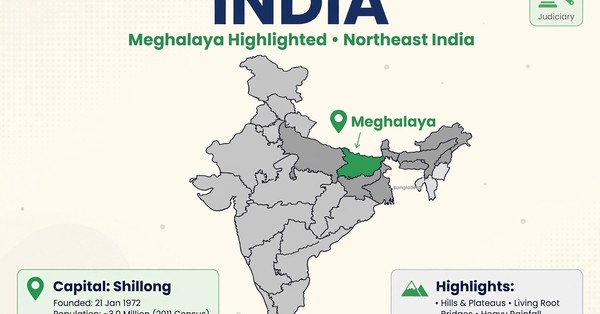
Here is the part most readers are really after. Because gambling is a state subject under the Indian Constitution (Entry 34 of the State List), each state writes its own gambling laws. The central Public Gambling Act of 1867 prohibits running public gambling houses, but it is the state laws that decide what counts as permitted.
The honest summary: teer is explicitly legal only in Meghalaya. In other states, teer style betting generally has no legal authorisation, which means participating in it there may violate that state’s gambling laws. Let us go state by state.
Assam and the Border Towns
Assam deserves its own section because the famous Khanapara Teer draws are announced from Khanapara, a locality on the outskirts of Guwahati near the Assam Meghalaya border. Assam’s own laws are strict about lotteries and betting. Assam has banned lotteries within its borders, and its gambling statutes do not authorise teer style betting.
This creates the grey area you hear about. The draws associated with Khanapara are linked to the Meghalaya framework in popular understanding, but anyone in Assam placing bets should know that Assam law does not expressly permit teer. If you live in Assam, the responsible position is to check the current local legal position carefully rather than assuming the Meghalaya licence covers activity on the Assam side.
The Northeast Neighbours
Arunachal Pradesh, Nagaland, Mizoram, Manipur, and Tripura each have their own gambling statutes. Nagaland is notable because it passed the Nagaland Prohibition of Gambling and Promotion and Regulation of Online Games of Skill Act, which deals with games of skill and online regulation, but it does not legalise teer betting. None of these states has a teer specific licensing law like Meghalaya’s 1982 Act. So the default legal position across the Northeast, outside Meghalaya, is that teer betting is not authorised.
Sikkim is a special case worth mentioning. Sikkim permits casinos and has experimented with online gaming licences, making it one of India’s more liberal gambling jurisdictions. Even so, Sikkim has no teer licensing framework, so teer style betting there has no more legal cover than anywhere else outside Meghalaya.
Big States: Maharashtra, West Bengal, Uttar Pradesh, Bihar
In the large states where most online searches about teer legality come from, the law is clear in the other direction. Maharashtra enforces the Bombay Prevention of Gambling Act, West Bengal has its own gambling prohibitions, and Uttar Pradesh and Bihar apply the Public Gambling Act framework with strict enforcement. None of these states authorises teer betting, and running or participating in unlicensed number betting there can attract prosecution under state gambling laws.
West Bengal is sometimes mentioned because of the popularity of number games in Kolkata, but popularity does not equal legality. The same applies to Bihar and Uttar Pradesh. If someone tells you teer is legal in these states because tickets are sold openly, that is a confusion of enforcement with permission. The teer gambling law india picture in these states is prohibition, not regulation.
Goa, Daman, and the Casino States
Goa, Daman, and Sikkim allow licensed casinos under their state laws, which sometimes leads people to assume all betting is fine there. It is not. Casino permission is a specific carve out, not a general gambling licence. Teer style archery betting is not covered by casino legislation in any of these places. So while you can legally walk into a licensed casino in Goa, you cannot legally run a teer counter there.
Southern and Western States
Tamil Nadu, Karnataka, Telangana, and Andhra Pradesh have some of the strictest positions on betting in the country, with explicit bans on online money games upheld by the courts. Kerala runs its own government lotteries but prohibits private betting operations. None of these states licenses teer. The pattern is consistent across the country: Meghalaya regulates it, everyone else either prohibits or simply never authorised it.
Why the Law Treats Teer Differently From Other Betting
A fair question is why teer gets a licensing law in Meghalaya while similar number games get raided everywhere else. Two legal ideas explain it.
Game of Skill Versus Game of Chance
Indian courts have long distinguished games of skill from games of chance. The Supreme Court has held, in the well known rummy cases, that games predominantly of skill deserve different treatment from pure chance games. Teer’s defenders point out that the underlying event is a genuine archery contest. The archers’ skill decides how many arrows hit the target. Bettors are wagering on the outcome of a real sporting event, closer in spirit to betting on a football match than to drawing balls from a drum.
Whether courts everywhere would accept that characterisation is untested, but it is part of why Meghalaya felt comfortable building a law around teer rather than banning it.
The Lottery Framing of Archery Betting Legal India Discussions
The other framing is the lottery one. The Lotteries (Regulation) Act of 1998 allows state governments to organise and regulate lotteries. Meghalaya’s approach effectively treats teer as a state regulated betting lottery tied to a sporting event. This dual character, part sport and part lottery, is what makes archery betting legal india conversations more nuanced than a simple yes or no.
Is Online Teer Legal in India?
This is where the newest law enters the picture. In 2026, the Promotion and Regulation of Online Gaming Act 2025 came into force nationally, prohibiting online money games while setting up regulation for e-sports and social games. That national framework sits alongside the state level picture.
The practical reading: buying a teer ticket at a licensed counter in Shillong is legal because Meghalaya law covers it. Placing teer bets through websites or apps, especially from a state where betting is prohibited, sits in much riskier territory. Many websites offering “online teer” operate without any licence at all, and players have no legal protection if such a site disappears with their money.
So the answer to online teer legal india questions is cautious. The physical, licensed, Meghalaya based game is legal. The online versions floating around the internet mostly are not licensed by anyone, and using them from a state that bans betting adds another layer of legal risk.
Practical Rules for Players: 18 Plus and Play Responsibly
Teer in Meghalaya is an 18 plus activity. Minors may not buy tickets or participate, and responsible counters enforce this. Beyond the age rule, the same common sense applies to teer as to any lottery. Set a budget you can afford to lose, treat it as entertainment rather than income, and never chase losses by doubling your stakes.
Also remember that teer results are declared twice daily for most markets, with the first round in the afternoon and the second round in the evening. Sundays are typically rest days in Shillong. If you follow results online, use established result portals and be aware that only the official declaration at the venue is definitive. You can check the latest declared numbers on the All Teer Results homepage, browse the full archive in the teer result list, or follow the Juwai market on the Juwai teer result page.
Frequently Asked Questions About Teer Legality
Is teer legal in india for everyone?
Teer is legal in Meghalaya under the state’s 1982 betting law, for adults aged 18 and above, through licensed counters. In other states there is no equivalent authorisation, so legality depends on your state’s gambling laws, which in most cases prohibit it.
Which are the teer legal states in india?
Strictly speaking, only Meghalaya has a dedicated legal framework for teer. No other Indian state licenses teer style archery betting. Some states permit other forms of gambling, like casinos in Goa and Sikkim or government lotteries in Kerala, but those permissions do not extend to teer.
Is online teer legal in india?
There is no national licence for online teer, and the 2025 online gaming law prohibits online money games at the national level. Betting through unlicensed websites carries legal and financial risk, especially from states where gambling is banned.
What is the Meghalaya Teer Act?
It is the common name for the Meghalaya Amusement and Betting Tax (Amendment) Act 1982, the state law that legalised and regulated archery based betting in Meghalaya. It provides for licensing of bookmakers and taxation of the activity.
Can I be punished for playing teer outside Meghalaya?
You can face action under your state’s gambling laws if they prohibit betting and you participate anyway. Penalties vary by state but can include fines and imprisonment under laws like the Public Gambling Act 1867 or state specific gambling statutes.
Is teer a game of skill or a game of chance?
Teer sits between the two categories. The archery itself is a genuine skill sport managed by the Khasi Hills Archery Sports Association, which is why Meghalaya treats it as regulatable. But the betting outcome still involves uncertainty, so most legal discussions treat the wagering side as gambling that needs a licence.
The Bottom Line on Teer Legality
The story of teer legality is really the story of one state making a distinctive choice. While the rest of India largely prohibited or ignored archery betting, Meghalaya looked at a centuries old Khasi tradition, saw crowds already gathering at the Polo Ground, and decided in 1982 to regulate rather than suppress. That decision created the only fully legal teer market in the country.
For readers, the takeaway is simple. In Meghalaya, through licensed counters, teer is legal lottery entertainment for adults. Everywhere else in India, you are operating outside any teer specific legal cover, and in many states you would be breaking the law. Respect the distinction, play only where it is permitted, and keep it responsible. If you want background on how India’s gambling laws work at the national level, the Wikipedia overview of gambling in India is a solid starting point.