If you live in Guwahati and have ever wondered “is teer legal in assam”, you are asking one of the most common and most misunderstood questions in Northeast India. Teer counters are everywhere around the city, Khanapara is a short drive away, and everyone seems to know someone who plays. Yet the legal answer is not what most people assume. Teer is a fully licensed, state-regulated lottery game in Meghalaya, and it is prohibited as betting under the law of Assam. That single state boundary changes everything, and this guide walks you through exactly why, with the actual laws, dates and court cases spelled out in plain language.
Why Guwahati keeps asking “is teer legal in assam”
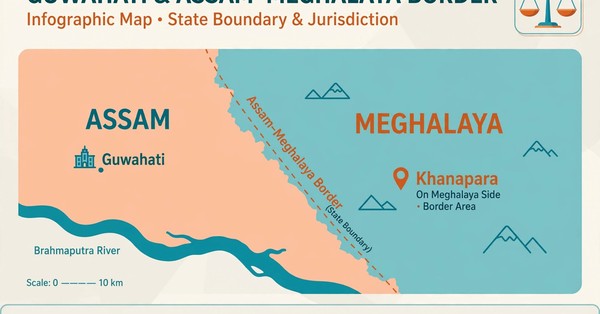
Guwahati sits almost on top of the answer. Drive about 20 minutes down the GS Road from the city centre and you reach Khanapara, where one of the best known teer shooting grounds operates. People cross that stretch every day for work, college and shopping, so it feels natural to assume the same rules apply on both sides of the road. They do not.
Khanapara sits on a state border, not just a road
Khanapara is the name people in Guwahati use for the whole junction area, but the teer ground itself falls in the Ri-Bhoi district of Meghalaya, just across the state line from Assam. The archery shooting, the counting of arrows and the declaration of results all happen on Meghalaya soil, under Meghalaya licences. A ticket counter a few hundred metres away on the Guwahati side of the line is a completely different legal animal. Geography is the whole story here, and most of the confusion comes from not knowing exactly where the border runs.
The confusion is understandable
Teer grew out of “thoh tim”, the traditional archery of the Khasi tribe, and it has been played in these hills for generations. Anyone researching guwahati teer law quickly discovers the confusion is geographic rather than legal: the game sits in one state, the players in another. The Khasi Hills Archery Sports Association organises the main Shillong game at the Polo Ground in Shillong, where around 12 archery clubs take part and 50 archers shoot 30 arrows each in the first round and 20 each in the second. Because the culture is shared across the border and the game is openly advertised on result websites and notice boards, many Guwahati residents reasonably conclude it must be legal where they live too. Culture crosses borders freely. Gambling licences do not.
The short answer on assam teer legal status
Here is the position in one paragraph before we unpack the details. Teer betting is legal only in Meghalaya, where the state government licenses bookmakers and regulates the sale of tickets under specific teer legislation. In Assam, betting on games and sports is an offence under the Assam Game and Betting Act, 1970, which extended the Public Gambling Act, 1867 to the whole state. Buying a teer ticket, selling one, or running a counter inside Assam is illegal betting under that Act, even though the archery itself happens legally a few kilometres away in Meghalaya. Every teer betting assam legal query resolves the same way. If you remember nothing else from this guide, remember this: the game is legal in Meghalaya, the bet is illegal in Assam.
Is teer legal in assam under the Assam Game and Betting Act, 1970?
This is the law that decides the assam teer legal status, so it deserves a close look. The Assam Game and Betting Act, 1970 (Assam Act XVIII of 1970), passed on 19 December 1970, extended the colonial-era Public Gambling Act, 1867 to the whole of Assam. Its preamble is unusually blunt for a statute: it says gambling and betting on games and sports had spread widely through the state, causing what it calls the debasement of public morality, widespread exploitation and threats to peace and order. The legislature’s response was to prohibit betting on games in the manner the Act describes.
What the 1970 Act actually prohibits
Section 2(a) of the Act defines “bet” very broadly. It covers any money or valuable thing staked by a person, directly or through an agent, to be lost or won on the happening of an uncertain event connected with a game or sport, and it expressly includes the acceptance of a bet. A teer ticket bought in Guwahati fits that definition squarely: you stake money on the uncertain outcome of an archery round. The Act also defines “instrument of betting” to include tickets, tokens, coupons, books and slips used to facilitate betting. That means the paper ticket itself is an instrument of an offence under Assam law.
A real court case about teer tickets in Assam
This is not just theory. In Debi Bhattacharjee v. State of Assam, decided by the Gauhati High Court, the person before the court had been found selling teer betting tickets and was caught with dot pens, teer tickets and cash. The court examined the Assam Game and Betting Act, 1970 in detail and treated the selling of teer tickets as the offence of betting that the Act was written to punish. When people ask whether the law is ever actually used against teer sellers in Assam, this case is the answer. It has been used, and the courts have upheld it.
Why teer is legal in Meghalaya but not in Assam
India’s Constitution makes gambling and betting a state subject, which means each state writes its own rules. Meghalaya chose to license and tax teer. Assam chose to prohibit betting. Neither state is bound by the other’s choice, and a licence issued in Shillong has no force in Guwahati.
The 1982 turning point
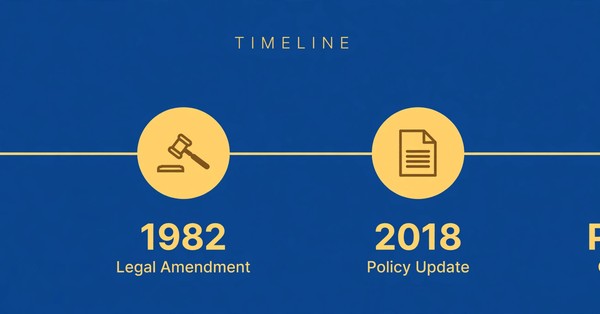
Teer’s legalisation in Meghalaya began with the Meghalaya Amusements and Betting Tax (Amendment) Act, 1982. The Governor gave assent on 13 July 1982 and it was published in the Gazette of Meghalaya (Extraordinary) on 20 July 1982. The amendment inserted a new definition into the law: a “licensed bookmaker for arrow shooting”, meaning any person who acts as a bookmaker for arrow shooting under a licence issued by an officer authorised by the state government. And then came the sentence that made teer legal: an explanation stating that “arrow shooting” for the purposes of the Act includes the game of teer (thoh tim). In plain words, from 1982 the Meghalaya government could licence people to take bets on archery, and teer was named as the game covered. Betting on it was brought under Section 14A of the amended Act, which provided for licences for arrow shooting.
The 2018 Regulation Act
The modern framework is the Meghalaya Regulation of the Game of Arrow Shooting and the Sale of Teer Tickets Act, 2018. It began as an ordinance promulgated by the Governor on 11 June 2018, published in the Gazette on 18 July 2018, and deemed to have come into force from 1 July 2017. This Act replaced the older arrangement with a dedicated regulatory authority for teer, rules for organisers, bookmakers and permit holders, distance requirements between counters under Section 6, and penalties for breaches, including imprisonment up to three months and fines on conviction. If you want to read the original 1982 text yourself, the Meghalaya government hosts the Act as a PDF on its official portal at meghalaya.gov.in, and the state portal itself is at meghalaya.gov.in.
What the Law Commission of India said
The Law Commission of India’s Report No. 276 on the legal framework for gambling in India describes Meghalaya’s position at paragraphs 5.43 and 5.44. It notes that the Meghalaya Prevention of Gambling Act, 1970 permits games of mere skill and any games the government exempts by notification, and that the government used the power under Section 13(2) to permit the local archery game of teer, with betting licensed under Section 14A of the 1982 Amendment Act. That is about as authoritative a confirmation as exists that teer’s legality in Meghalaya is deliberate state policy, not a loophole.
Is khanapara teer legal? The venue question
“Khanapara teer legal” is really two questions wearing one name, and they have opposite answers.
Where the Khanapara ground actually is
The Khanapara teer shooting ground is located in the Ri-Bhoi district of Meghalaya, adjoining Guwahati. The archery rounds are conducted there under Meghalaya licences, the same way the Shillong game is conducted at the Polo Ground under the Khasi Hills Archery Sports Association and the Jowai game is conducted in the West Jaintia Hills. At the venue, on the Meghalaya side, the game is legal and regulated.
Legal at the ground, illegal at a Guwahati counter
Here is the part people get wrong. The legality of the draw does not travel with the result. When the Khanapara result is declared in the afternoon, that declaration is a lawful event in Meghalaya. But a person in Guwahati who took money from neighbours that morning on those same numbers was accepting bets inside Assam, which the Assam Game and Betting Act, 1970 prohibits. The Assam Tribune has reported that illegal bets are allegedly placed in Assam and even in Bangladesh on results announced in Meghalaya. The result is legal where it is declared; the bet is illegal where it is placed. That distinction is the entire answer to “is khanapara teer legal”.
Assam lottery law and teer: are they the same thing?
People often ask about assam lottery law in the same breath as teer, because teer feels like a lottery. Legally they are different categories. A lottery is a draw of lots, usually run by a state government under the Lotteries (Regulation) Act, 1998, a central law that lets states organise and regulate lotteries. Teer in Meghalaya is not run as a state lottery at all; it is licensed betting on a live sporting event, archery, under the state’s betting tax and teer regulation laws.
Why does this matter for Assam? Because the Assam Game and Betting Act’s definition of “bet” expressly excludes lotteries from betting, which means a genuine government lottery ticket is treated differently from a teer ticket. Some people hear “lotteries are excluded” and conclude teer must be fine. It is not. Teer is classified as betting on a game of arrow shooting, not as a lottery, so the exclusion does not protect it. Assam has no licensing regime for teer-style betting the way Meghalaya does, so there is no legal category in Assam under which a teer counter could operate.
Is teer legal in assam if the ticket is bought online?
This is where many Guwahati players assume they have found a safe middle ground. The thinking goes: if no physical counter exists in Assam and the ticket is bought on a website or through a messaging app, surely no Assam law is broken. The law does not see it that way. The Assam Game and Betting Act, 1970 defines a bet to include money staked by a person “by himself or through any agent”, and courts have read such language to cover arrangements where the physical handover happens elsewhere. If you are sitting in Guwahati and staking money on the outcome of the Khanapara archery rounds, the bet is being placed by you in Assam regardless of where the server or the agent sits.
There is also a practical problem. Unlicensed online teer operations have no regulatory authority behind them. Meghalaya licences physical bookmakers and counters; it does not licence random websites taking teer bets from Assam. Money sent to such operations is unprotected, and the player has committed an offence under Assam law while gaining none of the consumer protections that Meghalaya’s licensed system provides. The grey zone is grey only in the sense that enforcement is uneven, not in the sense that the law is unclear.
Penalties: what Assam law can do about teer betting
Under the framework the 1970 Act creates, operating a betting operation and participating in betting are both punishable. The Public Gambling Act, 1867, as extended to Assam, provides for fines and imprisonment for keeping a common gaming house and for being found gaming in one, and the 1970 Act’s addition of “betting” as a crime brought teer-style wagering squarely within the net. Instruments of betting, which include the tickets and the account books, can be seized as evidence. The Debi Bhattacharjee case shows the typical shape of enforcement: a seller caught with tickets, pens and cash, prosecuted for the offence of betting.
On the Meghalaya side, the 2018 Act has its own teeth for the licensed system: breaches of licence conditions can draw penalties, and on conviction by a court not below a First Class Magistrate, organisers face imprisonment up to three months and fines up to fifty thousand rupees, with smaller fines for bookmakers. The two states’ penalty regimes point in opposite directions, which is exactly what you would expect from one state licensing an activity and the other prohibiting it.
How to stay on the right side of the law
If you enjoy teer and want no trouble, the rules are simple and they all flow from the border.
- Only engage with teer through licensed counters physically located in Meghalaya. A licensed Meghalaya counter operates under the 2018 Act with a visible permit.
- Do not buy teer tickets from anyone in Guwahati or elsewhere in Assam, whether at a shop, from a door-to-door agent, or through a phone number. That is illegal betting under the 1970 Act.
- Do not run a counter, act as an agent, or collect stakes for others in Assam. The Debi Bhattacharjee prosecution began with exactly that conduct.
- Treat online teer betting offers with extreme suspicion. Meghalaya’s licensing covers physical bookmakers and counters, and money sent to unlicensed operators is money you cannot recover.
- Remember the age rule. Teer is strictly for adults. Meghalaya’s gaming framework requires players to be above 18, and a public interest petition in the Meghalaya High Court has pressed for strict age limits at teer counters. If you are under 18, stay away entirely.
- Play responsibly and within your means. Even where teer is legal, it is gambling, and no result can be predicted or guaranteed.
For checking declared results without placing any bet, you can use our homepage for the latest updates, browse the full teer result list, or visit the dedicated Khanapara teer result and Shillong teer result pages. Reading results is not betting, and staying informed is always lawful.

Frequently asked questions about teer and Assam law
Is teer legal in Assam for someone just watching the archery?
Yes. Watching the archery at Khanapara or Shillong is completely lawful. The law targets betting, the staking of money on the outcome, not the sport of archery itself. Spectators, tourists and photography enthusiasts have nothing to worry about.
Is Khanapara teer legal if I buy the ticket at the ground in Meghalaya?
Buying a ticket from a licensed counter on the Meghalaya side, where the 2018 Act applies, falls under Meghalaya’s licensing regime. The difficulty is practical: most people asking this are Guwahati residents, and carrying stakes across the border to bet raises its own questions. The clean legal position is that licensed Meghalaya counters serve the Meghalaya market.
Does the Assam Game and Betting Act, 1970 mention teer by name?
It does not need to. The Act defines “bet” to cover money staked on the uncertain outcome of any game or sport, and teer is a game of arrow shooting. Courts apply the definition to the conduct, not to a list of named games, which is why teer ticket sellers have been prosecuted under it.
Can Assam police act against online teer betting?
The 1970 Act’s definition of betting covers stakes placed through agents and intermediaries, which gives police a legal basis. Enforcement against purely online operations is harder in practice, but the conduct remains unlawful, and players have no legal remedy if an unlicensed operator disappears with their money.
Is there any licence I can get in Assam to run a teer counter?
No. Assam has no licensing framework for teer or for betting on games. The 1970 Act prohibits betting rather than licensing it, and no authority in Assam issues teer bookmaker licences. Any counter operating in Assam is unlicensed by definition.
Has anyone actually been punished for teer betting in Assam?
Yes. In Debi Bhattacharjee v. State of Assam, the Gauhati High Court dealt with a prosecution of a person found selling teer betting tickets with tickets, pens and cash in his possession, examining the offence of betting under the Assam Game and Betting Act, 1970. Enforcement tends to focus on sellers and organisers rather than individual small players, but the law covers both.
The bottom line
Is teer legal in Assam? No. It is legal in Meghalaya under the 1982 and 2018 Acts, it is prohibited in Assam under the 1970 Act, and the Khanapara ground sits on the Meghalaya side of that divide. Knowing which side of the border you are standing on is the whole of the law here, and now you know exactly where the line is drawn.