Introduction
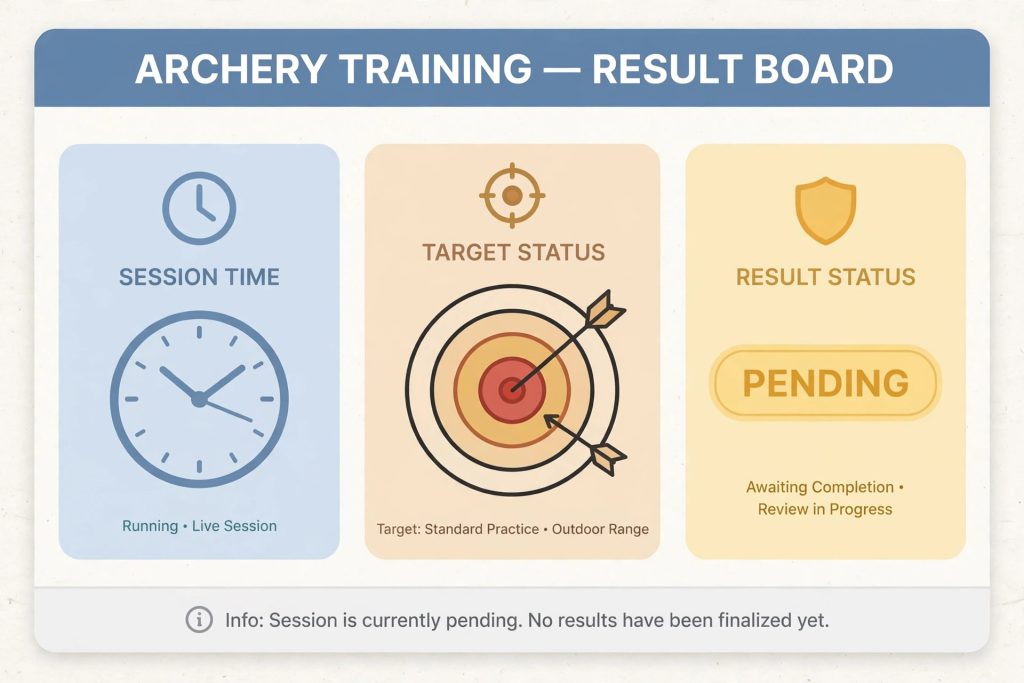
Seeing a teer result delayed notice on your screen can be frustrating, especially when you have been waiting for the session outcome since the shooting began. The good news is that most delays are normal, temporary and fully explainable once you understand how teer sessions actually run. This guide walks you through every angle of the problem, from what a delay really means in morning, day and night sessions, to the typical declaration windows in general terms, to a calm step-by-step troubleshooting flow you can follow whenever a result takes longer than expected.
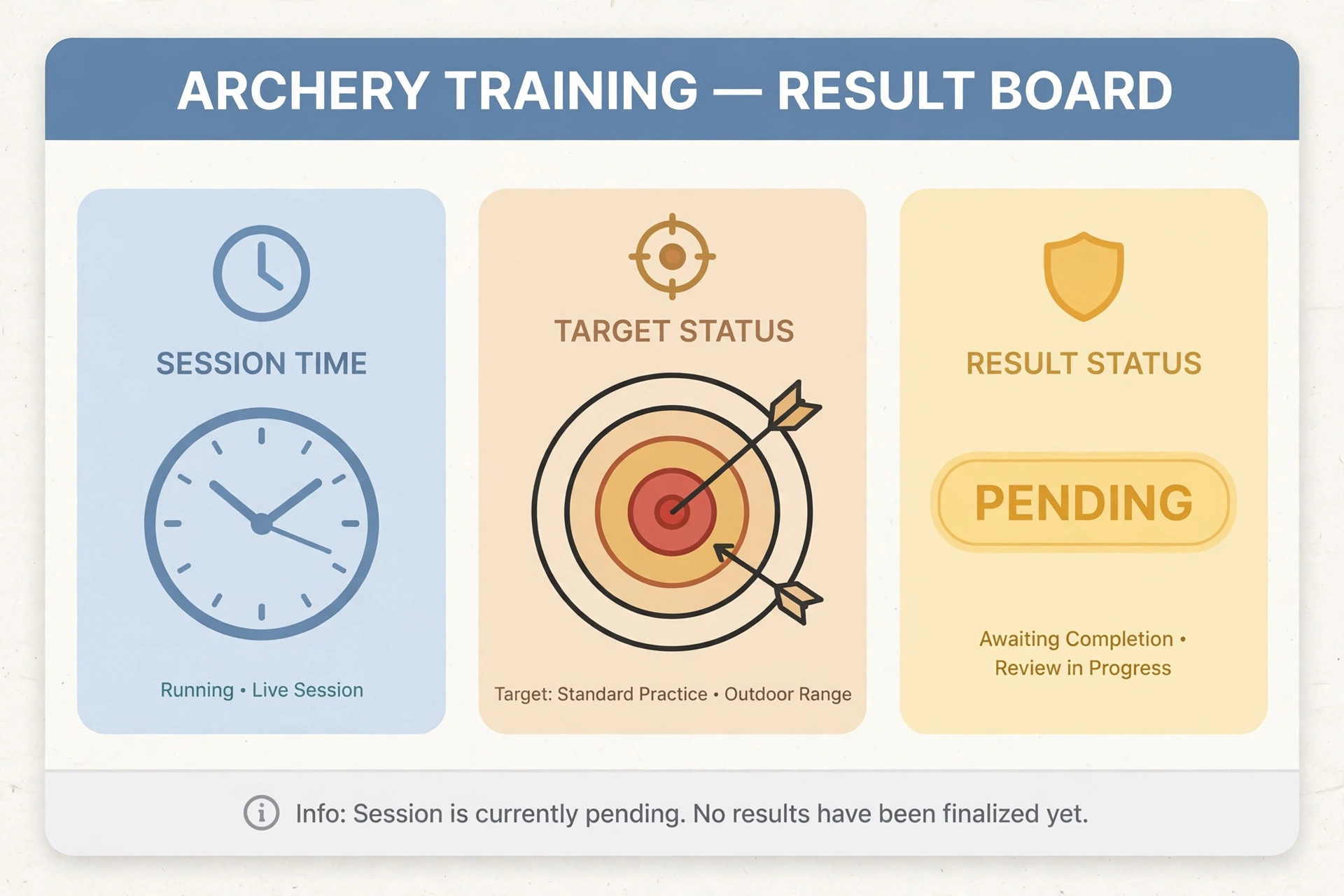
Teer is an archery-based lottery organised in Meghalaya, and its results depend on real-world events at physical archery grounds. Because human beings, weather, crowds and equipment are all part of the process, a result that is late by some time is not unusual at all. A teer result delayed update simply means the official declaration has not happened yet within the window players usually expect. It does not mean the result is cancelled, it does not mean the numbers have been changed, and it certainly does not mean that a random website publishing numbers early knows the real outcome.
Throughout this article we will use the phrases readers search for most often, including teer result late, teer result not declared, shillong teer result delay, juwai teer result late and teer result pending, and we will explain each situation in plain language. You will learn the common causes of delays, how each session of the day behaves differently, how to tell a genuine delay from a fake result page, and how to read the result correctly once it finally appears. Everything here is evergreen, which means it stays useful no matter which day you are reading it.
Before we go further, one responsible note is important. Teer is a legal lottery in the state of Meghalaya and is meant strictly for adults aged 18 and above. If you choose to participate, always play responsibly, set a budget you can afford, and never chase losses. No result, delayed or on time, is worth financial stress.
Understanding What a Teer Result Delayed Message Really Means
When people say the teer result is delayed, they usually mean one simple thing: the session has finished its shooting rounds, but the declared outcome has not been published yet at the time they expected it. To troubleshoot properly, it helps to separate three ideas that often get mixed together.
The difference between delayed, late and not declared
A teer result late message and a teer result delayed message describe the same everyday situation. The result is taking longer than its usual window, but the session itself took place normally and the outcome will still be declared. This is by far the most common case, and patience plus one or two rechecks usually resolves it.
A teer result pending status is slightly different in tone. It means the result is still in the pipeline, for example counting is finished but the numbers have not been pushed out to counters and websites yet. Think of it as the result being in transit rather than stuck.
A teer result not declared situation is rarer and more serious. It means no result was announced at all for that session, which can happen on days when a session is officially cancelled because of a major disruption, or on days when there is simply no scheduled session. If you see no result and no delay notice for a very long time, the first thing to check is whether that session was even scheduled to run that day.
How the two-round format creates natural waiting gaps
Every teer session is played in two rounds, known as FR (first round) and SR (second round). Archers shoot their arrows, the hits on the target are counted, and a two-digit number is derived from the total. The FR result is declared first, and only after a gap does the SR shooting and counting take place, followed by the SR declaration.
This built-in gap confuses many readers. If the FR result is already out but the SR result has not appeared, that is not automatically a delay. The second round needs its own shooting time, its own counting time and its own verification time. A genuine shillong teer result delay or juwai teer result late situation only begins when the SR outcome stays unpublished well beyond the usual gap between the two rounds. Learning this rhythm, FR first, a natural pause, then SR, will save you most of the worry.
Why Is the Teer Result Delayed? Common Causes Explained
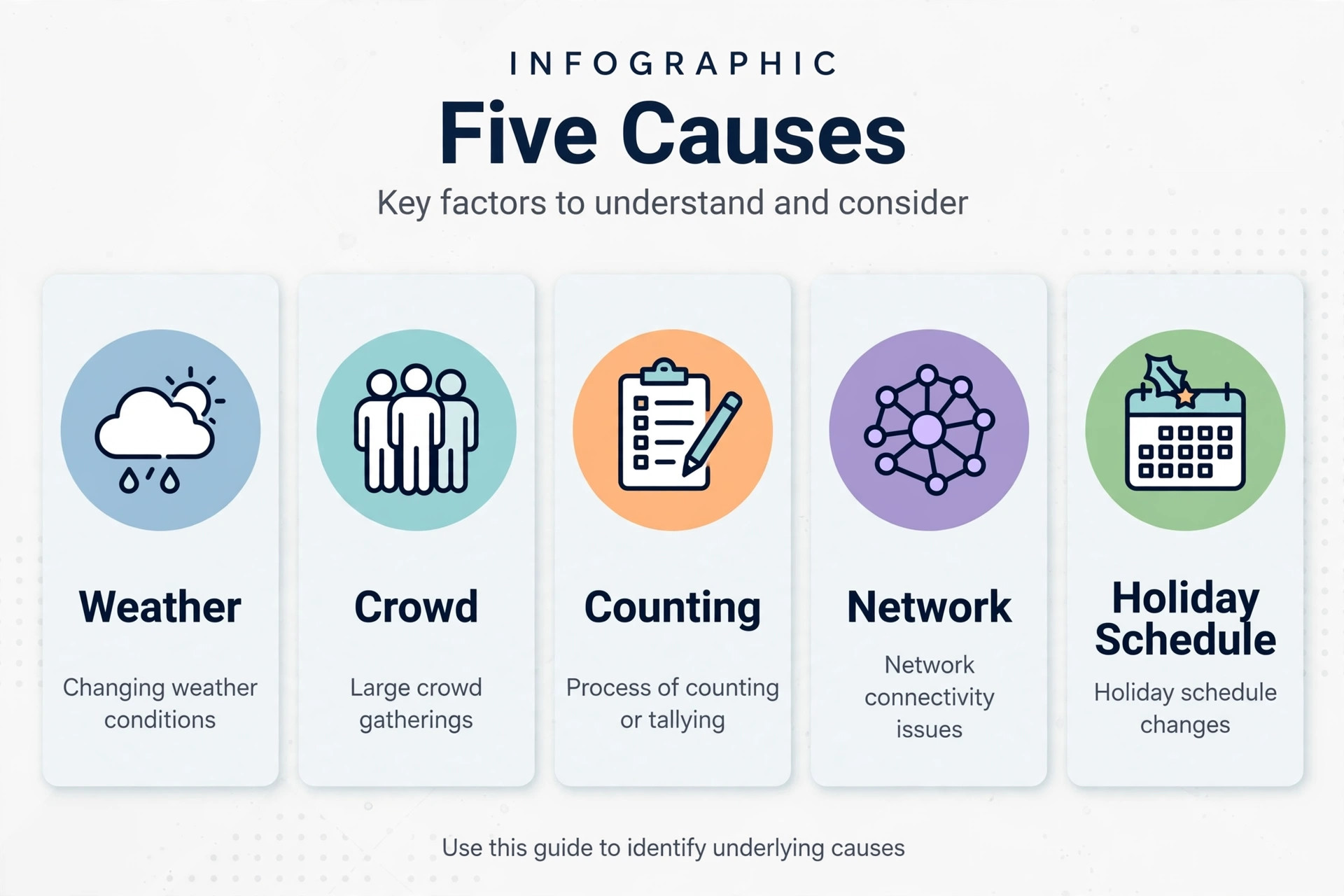
A teer result delayed update almost always traces back to one of a small set of practical causes. None of them involve the numbers being altered, and almost all of them resolve on their own. Understanding these causes helps you react calmly instead of refreshing the page every minute or trusting the first site that claims to have the answer.
Weather and ground conditions at the archery ground
Teer is played outdoors on open archery grounds, so the weather has a direct say in the schedule. Heavy rain can pause shooting, strong wind can affect the arrows, and a waterlogged ground can slow down movement between the shooting line and the targets. In such cases the session may start late, pause in the middle, or take longer to complete, and every minute lost on the ground pushes the declaration back. A shillong teer result delay during the rainy months is very often nothing more than the ground staff waiting for conditions to become safe and fair for the archers.
Crowd management and venue readiness
Archery grounds on busy days can draw large crowds, and managing the entry, seating and movement of spectators takes real time. If the venue opens late, or if the organisers need extra time to arrange the shooting area safely, the whole session shifts forward. Counting areas also need to be prepared, with officials, record keepers and verification staff in place. Any holdup in this preparation chain shows up later as a teer result late report on result websites.
Counting, verification and official tabulation
This is the most common and most legitimate cause of all. After the arrows are shot, officials must count the hits on every target, cross-check the totals, and tabulate the final figures before anything is declared. Accuracy matters more than speed here, because a wrongly declared number would be far worse than a late one. On days with very close counts or disputed tallies, verification can take noticeably longer. When you see a teer result pending status, it very often means the result is sitting in this careful verification stage.
Technical and network issues at counters and outlets
Once the result is declared at the ground, it still has to travel. It is announced at local counters, passed to distributors, and published on result websites. A network outage, a power cut, or a problem with the systems used to transmit the numbers can create a gap between the declaration at the ground and its appearance online. In these cases the result exists and is final, but your screen still shows a juwai teer result late message simply because the update has not reached the website you are checking. Checking a second trusted source usually clears up this kind of delay quickly.
Sundays, holidays and announced schedule changes
Teer follows a weekly rhythm, and there are days when sessions do not run at all, most notably Sundays in many markets, along with public holidays and special occasions. On these days a teer result not declared page is completely normal and not a delay in any sense. Schedule changes can also be announced for festivals or local events, shifting a session to a different time or merging arrangements. Before worrying about a delay, it is always worth confirming that the session was scheduled to run on that particular day.
What a Teer Result Delayed Looks Like Session by Session
Not all sessions behave the same way, and a delay in one session does not imply anything about the others. Each market and each time slot has its own ground, its own crowd and its own pace, so the right way to judge a delay is to compare a session against its own usual pattern.
Morning sessions: Shillong Morning, Juwai Morning and Khanapara Morning
Morning sessions are the first teer events of the day, and their results are declared during the morning hours once shooting, counting and verification are complete. Because these sessions start the day, any early disruption, such as late venue opening or morning rain, cascades directly into the declaration time. If a morning result has not appeared by the later part of the morning, it is reasonable to treat it as delayed and begin the troubleshooting steps below. For day-by-day updates, the dedicated Shillong teer result page on the All Teer Results homepage keeps each session clearly separated so morning outcomes are easy to find.
Day sessions: Shillong Day, Juwai Day, Khanapara Day, Jowai and Ladrymbai
The day sessions form the busiest stretch of the teer calendar, with results declared during the afternoon after each round completes. These sessions handle the largest crowds, which means crowd management and counting load are at their peak. A shillong teer result delay in the afternoon session is therefore often a pure volume effect: more archers, more arrows, more counting, more verification. The Juwai day session follows the same logic, so a juwai teer result late report in the afternoon usually resolves once the heavier counting workload clears. Markets such as Jowai and Ladrymbai run their own grounds and their own pace, so a delay in one market never means the others are affected.
Night sessions: Shillong Night and Night Teer
Night sessions are declared during the evening hours, and they have their own character. Lighting arrangements, evening crowds and the fact that these are the last sessions of the day all play a role. Because the night session closes the day, officials sometimes take extra care with the final verification, which can stretch the declaration slightly. If a night result is pending well into the late evening, the same troubleshooting flow applies, but it is also worth remembering that there are no further sessions after it, so a late night declaration simply rolls into the next day’s schedule without affecting anything else.
Typical Declaration Windows in General Terms
Readers often ask for exact timings, but exact clock times shift with seasons, weekdays and local arrangements, so the reliable way to think about it is in windows rather than minutes. Morning session results are declared during the morning hours. Day session results are declared during the afternoon, with FR naturally appearing before SR after the gap between rounds. Night session results are declared during the evening hours.
A result becomes genuinely delayed when it remains unpublished well past its session’s usual window, not merely a few minutes after the previous day’s timing. Comparing against yesterday’s exact minute is a common mistake, because the schedule is a rhythm, not a timetable. If the FR result of a session is out and the SR result follows after the normal inter-round gap, everything is on track. Only when the whole session’s window has clearly passed without a declaration should you treat the situation as a teer result delayed case and work through the troubleshooting flow.
For a full overview of how every market and session fits together, the complete teer result list on this site lays out the daily structure in one place, which makes it much easier to see which session you are actually waiting for.
Step-by-Step Troubleshooting Flow for a Teer Result Delayed
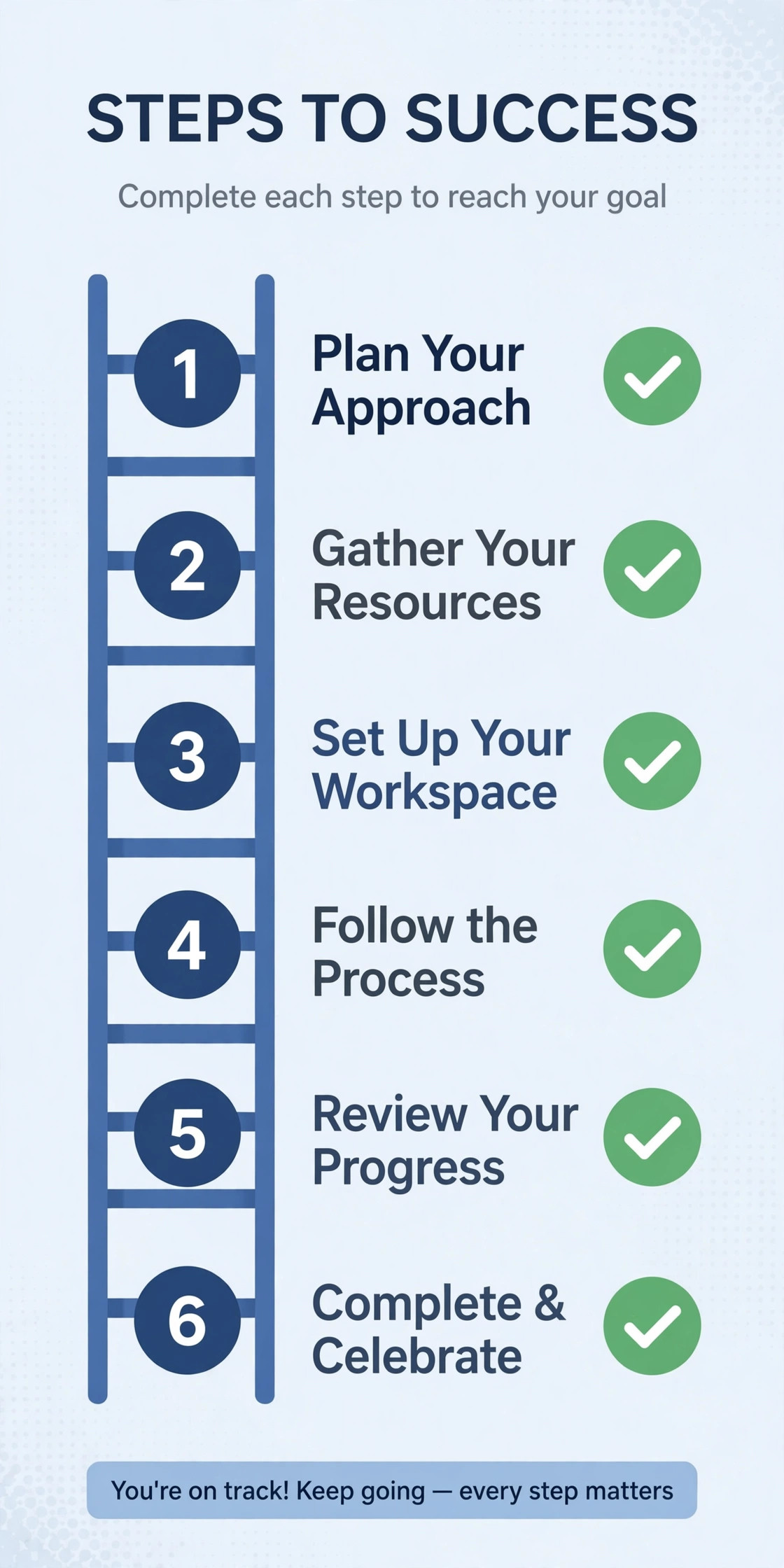
When the result is not showing, the worst response is panic refreshing or believing the first page that claims to have leaked numbers. The best response is a short, calm sequence of checks. Work through these steps in order, and in most cases you will either find the result or understand exactly why it is not out yet.
Step 1 – Confirm exactly which session and round you are waiting for
Open your result page and check the labels carefully. Are you waiting for a morning, day or night session? Are you waiting for FR or SR? Many so-called delays turn out to be simple mix-ups, such as waiting for the SR number while looking at the FR column, or waiting for a night session result in the afternoon. The Juwai teer result page and the other market pages on this site label FR and SR separately, which makes this check quick.
Step 2 – Allow for the natural gap between FR and SR
If FR is declared and SR is not, pause before calling it a delay. The second round needs its own shooting and counting time, and the gap between the two declarations is a normal part of every session. Only treat the SR result as delayed when the gap has stretched clearly beyond what is usual for that session.
Step 3 – Recheck on more than one trusted source
A result can be declared at the ground but slow to reach one particular website because of a technical or network issue on that site’s side. Open a second trusted result source and compare. If one source shows the number and another still shows pending, the delay is in transmission, not in the session itself, and the declared number is the real one.
Step 4 – Look for announcements about weather, crowds or schedule changes
Genuine delays are often accompanied by information. Local counters, organisers or reliable result pages may note heavy rain, a late venue opening, or a changed schedule for the day. Finding such a note immediately explains the teer result pending status and tells you roughly when to check back. The absence of any announcement, combined with a very long delay, is itself useful information for the next step.
Step 5 – Ignore leaked numbers and paid tips during the delay
Delays create a perfect hunting ground for scammers. Pages that suddenly claim to have the result “before the official declaration”, WhatsApp sellers offering fixed numbers for a fee, and videos promising insider information all thrive on the anxiety a delay produces. Remember the hard rule: no website can know the result before it is officially declared, because the number comes from physical arrows hitting physical targets. Anyone selling certainty during a delay is selling fiction. This site never publishes predictions, and you should treat any page that does as untrustworthy on every other claim too.
Step 6 – Wait, then recheck at sensible intervals
After completing the checks above, the correct action is simply to wait. Recheck every reasonable interval rather than every minute. Most genuine delays clear within the session’s extended window, and the result appears exactly where it should. If the result remains undeclared far beyond the session’s window with no explanation, treat the next day’s schedule as the reference point and check whether the session was officially cancelled or rescheduled.
How to spot fake delayed-result pages and scams
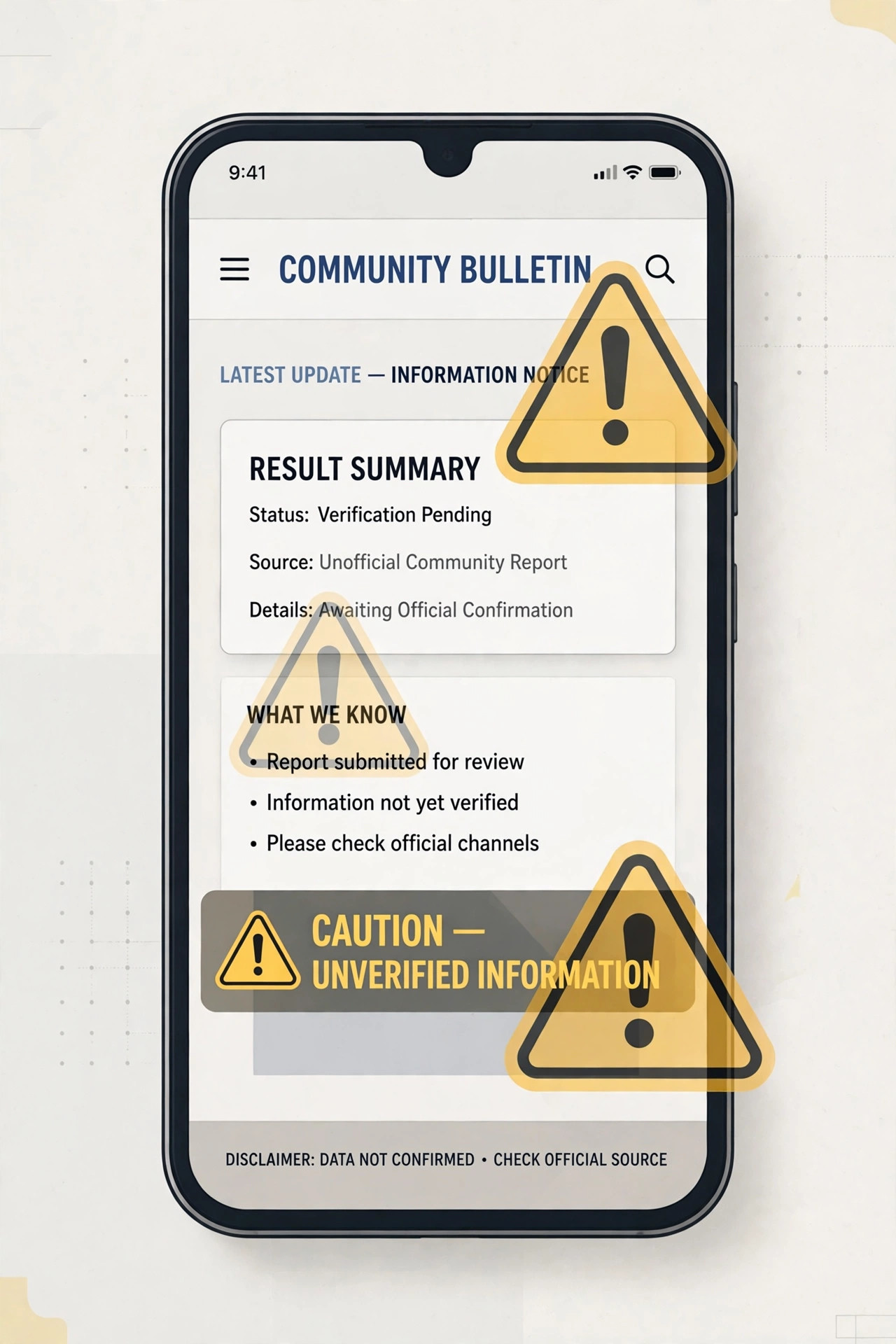
Because this matters so much, here is a compact checklist for recognising untrustworthy pages during a delay. Be suspicious of any page that publishes a result number while established sources still show pending, any page that asks for payment for “confirmed” numbers, any page that changes its claimed number after the official declaration, and any page that mixes predictions with results without labelling them. A trustworthy result page does three things: it labels each session and round clearly, it shows a pending or delayed status honestly when the result is not out, and it never asks you to pay for numbers.
How to Read a Teer Result Correctly Once It Appears
A delay ends the moment the result is declared, but the job is not quite done. Reading the result correctly avoids a second round of confusion, especially for newcomers who mix up rounds, sessions or markets.
FR vs SR and what each line tells you
Every session declares two numbers, one for the first round and one for the second round. They are independent results from two separate rounds of shooting. The FR number never predicts or influences the SR number, and the two should always be read as separate lines. When checking, confirm three labels before reading the digits: the market name (for example Shillong or Juwai), the session (morning, day or night), and the round (FR or SR). Getting any one of these wrong means reading someone else’s result.
Reading the two-digit number format
Teer results are published as two-digit numbers derived from the total arrows hitting the target. As an example only, and not a real result, a published outcome might be displayed in a format like “-“, which is the placeholder this site uses when no result has been declared yet. Once the official declaration happens, the placeholder is replaced by the actual two digits for FR and then for SR. If you ever see a page showing a specific number while official sources still show the placeholder, treat that page’s number as unverified.
For broader context on how the game is regulated, the Government of Meghalaya publishes official information about the state at meghalaya.gov.in, and readers curious about the sporting roots of the game can read about the discipline itself on Wikipedia’s archery page.
Frequently Asked Questions About Teer Result Delayed
Why is the teer result delayed today?
The most common reasons are weather interruptions at the archery ground, extra time needed for crowd management, longer counting and verification of the arrows, technical or network problems in transmitting the result, or a changed schedule for the day. In almost all cases the delay is temporary and the result is declared once the underlying issue is resolved.
How long should I wait before treating a teer result as delayed?
Wait until the result remains unpublished well past the session’s usual declaration window. A few minutes of difference from the previous day is normal. The natural gap between the FR and SR declarations is also normal and should not be counted as a delay. Only when the whole session window has clearly passed should you work through the troubleshooting steps in this guide.
The FR result is out but SR is still pending. Is this a delay?
Not necessarily. The second round requires its own shooting, counting and verification, so a gap between the FR and SR declarations is built into every session. Treat the SR result as delayed only when the gap stretches clearly beyond what is usual for that session and market.
Is a delayed teer result ever cancelled?
A delayed result and a cancelled session are different things. Delays resolve with a late declaration. Cancellations, which are much rarer, mean no result is declared at all for that session, usually because of a major disruption or because no session was scheduled that day. If no result appears for a very long time, check whether the session was officially cancelled or rescheduled rather than assuming the delay will clear.
Does a delay change the result numbers?
No. A delay affects only when the result is announced, never what the result is. The numbers come from the arrows that hit the target during the session, and that physical outcome is fixed before any delay in counting or publishing begins. Any claim that a delay allowed someone to change or predict the numbers is false.
Where should I check the confirmed result after a delay?
Check a trusted result page that labels the market, session and round clearly and that shows an honest pending status while the result is not out. Compare two independent trusted sources if one of them seems stuck. Avoid pages that publish numbers early, sell fixed numbers, or mix predictions with declared results.

Conclusion
A teer result delayed notice is, in the great majority of cases, a routine part of an outdoor, human-run game. Weather, crowds, careful counting and the occasional technical hiccup all move at their own pace, and the declaration follows when the process is complete. By understanding the difference between a genuine delay, a natural FR to SR gap, and a day with no scheduled session, and by following the calm six-step troubleshooting flow instead of chasing leaked numbers, you will handle every late result with confidence.
Keep this page bookmarked as your session-by-session reference, check results only on pages that label every market, session and round honestly, and remember the responsible note: teer is a legal lottery in Meghalaya for adults aged 18 and above, so participate responsibly and within your means. When the next result runs late, you will know exactly what is happening and exactly what to do.