A teer dream number is one of the most talked about folk traditions connected with the teer lottery of Meghalaya. Long before smartphones and result websites, people in Shillong and the surrounding hills would wake up in the morning, remember a vivid dream, and discuss with family and neighbours what that dream might signify. Over generations, this habit of dream talk blended with the archery based teer game and became a piece of living folklore. This guide explores the origins, cultural meaning, and modern life of the teer dream number tradition, purely as heritage and information, without encouraging betting of any kind.

What Is a Teer Dream Number
In simple words, a teer dream number is a number that people associate with something seen in a dream, following old community traditions. Someone dreams of a river, an animal, a relative, or a festival, and in the morning the family discusses which number their tradition connects with that image. The practice is social as much as it is personal. Grandparents tell grandchildren, neighbours compare notes, and the same dream images get talked about for years.
It is important to understand what this tradition is and what it is not. It is a folk custom, a way for a community to find meaning and conversation in the strange world of dreams. It is not a system that can predict anything. Dreams are private experiences shaped by memory, emotion, and daily life, and no dream can influence the outcome of an archery contest. This article treats the teer dream number only as culture and history. If you want to check actual declared results, visit the All Teer Results homepage or the complete teer result list.
The Basic Idea
The basic idea is very old and found in many cultures, not only in Meghalaya. Humans have always tried to read meaning into dreams. In the Khasi hills, this universal habit met a very local game, teer, which is based on archery and organized under the laws of Meghalaya. Because teer is a number game, the dream meanings naturally took the form of numbers. A dream of a particular animal or object became linked, in local storytelling, with a particular number that players would then talk about.
Where You Hear About It
Today you hear the phrase teer dream number in tea shops, in taxi conversations in Shillong, in family WhatsApp groups, and on many websites. Search engines show strong interest in related phrases such as teer dream numbers, dream number teer, shillong teer dream number, teer dream list, dream meaning teer number, and teer dream chart. Most of these searches come from curiosity. People want to know what the tradition is, where it came from, and what their own dream might have meant to their grandparents. That curiosity is the reason this guide exists.
Where the Teer Dream Number Tradition Began
To find the beginning of the teer dream number tradition, you have to look at two things together: the archery game itself and the storytelling culture of the Khasi people. Teer as an organized lottery has roots in the traditional archery skills of Meghalaya, where skill with the bow and arrow was a matter of pride and community identity. The game is played in rounds, with archers shooting arrows at a target, and the result depends on the count of arrows that hit. It is a public event, watched by crowds, talked about everywhere, and woven into daily life.
Alongside this public game ran a private habit: remembering dreams. In Khasi homes, as in many traditional societies, the morning often began with talk of the night. Dreams were considered worth mentioning, worth interpreting, worth sharing. When a number game became the most discussed topic in town, it was natural that dream talk and number talk would meet. Nobody can point to a single year or a single person who started it. Like all folklore, it grew slowly, person by person, story by story.
Archery, Community Life and Evening Talk
In Shillong, teer is not a hidden activity. It happens in the open, at grounds like the Polo Ground, with crowds watching the archers. After the rounds, people walk home discussing what they saw. In the evening, families gather, and the conversation drifts from the day’s events to the night’s dreams. This daily rhythm, public game by day and private dreams by night, created the perfect setting for the teer dream number custom to take root. The numbers gave dream talk a playful structure, and the dreams gave number talk a personal story.
Storytelling Evenings in Khasi Homes
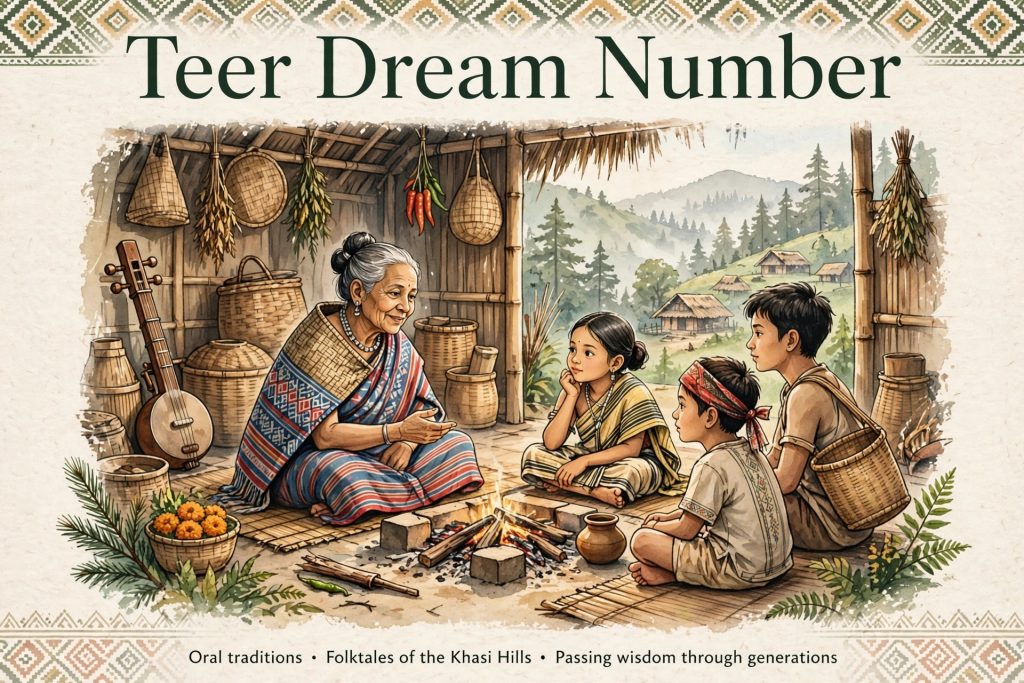
The Khasi people have a rich tradition of oral storytelling. Long winter evenings were made for stories: tales of ancestors, spirits of the forest, brave hunters, and strange dreams that came true in legend. Within this storytelling culture, dreams already had a respected place. A vivid dream was not dismissed; it was narrated, examined, and remembered. When teer became popular, the old habit of narrating dreams simply gained a new chapter. The storytelling did not change its nature. It remained what it had always been: a way for people to make meaning together.
Khasi Oral Culture and Dream Talk
Oral culture means knowledge that lives in spoken words rather than in books. In such cultures, the people who remember the most stories hold an honoured position. When it comes to the teer dream number tradition, these honoured rememberers are usually the elders of the family or the neighbourhood.
Elders as Keepers of Dream Lore
Ask anyone in Shillong where dream number lore comes from, and the answer is almost always the same: the elders. A grandmother who has heard dream stories for sixty years can narrate dozens of them from memory. She remembers which dreams the old people considered lucky, which were considered warnings, and which were simply funny. Younger family members learn by listening, not by reading. This is why the tradition feels so personal. It is not learned from a chart; it is inherited through voices you love.
The elders also set the tone. In their telling, dream talk is gentle and social. It is about sharing a strange experience, laughing about it, and wondering together. It was never, in the traditional telling, a hard instruction to do anything. The modern internet sometimes presents dream lore as a strict system, but the elders’ version was always softer: a story, a suggestion, a conversation.
How Stories Traveled Between Villages
Before phones and the internet, dream stories traveled the way all news traveled in the hills: through markets, festivals, and family visits. A woman visiting relatives in another village would share a striking dream; the relatives would share what their own elders said about such dreams; and both families would return home with a slightly richer version of the lore. Markets were especially important. Weekly markets brought together people from many villages, and dream talk mixed with bargaining and gossip. In this way, a shared regional folklore slowly formed, with local variations that people still enjoy comparing today.

How the Custom Spread Beyond Shillong
Shillong is the heart of the teer tradition, but the dream number folklore did not stay there. As people from the Khasi hills moved for work and study to Guwahati, Khanapara, Jowai, and beyond, they carried their morning dream conversations with them. Khanapara, which sits near the Assam Meghalaya border and hosts its own teer games, developed its own lively dream talk culture. Jowai and Ladrymbai, with their own teer traditions, added local flavours.
Each place kept the core idea but added local colour. The animals in the stories changed with the landscape. The festivals mentioned in dream tales changed with the local calendar. This is a sign of healthy folklore: it adapts. A tradition that cannot adapt dies, but the teer dream number custom adapted easily because its real subject was never numbers. Its real subject was always people telling each other about their inner lives.
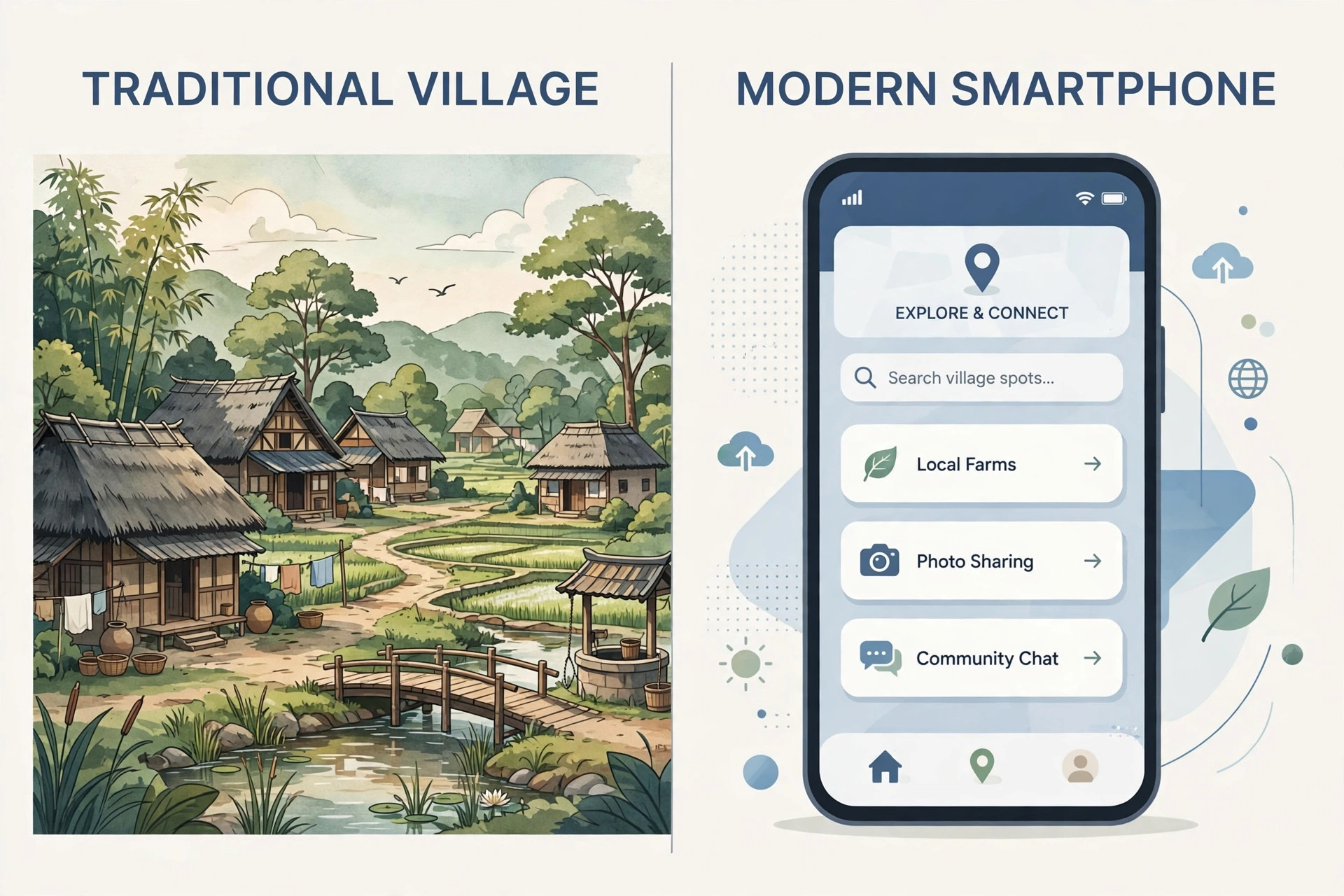
The internet sped up this spread enormously. What once took a generation to travel between villages now takes seconds on a phone screen. But speed changed the texture. Online, dream lore often appears as bare lists without the stories, the laughter, or the grandmother’s voice. Something is gained in reach, and something is lost in warmth. Understanding this helps explain why many elders feel the online version is a thinner copy of the real thing.
Why Dreams Feel Meaningful to Players
It is worth asking a deeper question: why do dreams feel so meaningful that whole communities build folklore around them? Part of the answer lies in how the human mind works during sleep.
Vivid Dreams and Morning Memory
Dreams are most vivid during a sleep stage called REM sleep, when the brain is highly active. A dream that wakes you in the morning can feel more real than the waking world for a few moments. The images are strange, emotional, and detailed. It is completely natural to feel that such an intense experience must mean something. Traditional cultures honoured this feeling; modern psychology studies it. Both agree on one thing: dreams matter to the dreamer.
You can read more about how different cultures have interpreted dreams through history on the dream interpretation page of Wikipedia, which shows that the Khasi tradition is part of a worldwide human habit.
The Comfort of Shared Meaning
There is also a social reason dream lore survives. Life is uncertain, and games of chance make that uncertainty visible. Talking about dreams gives people a shared language for uncertainty. When a neighbour says, “I dreamed of a festival last night,” and the family discusses it over tea, the real product is not a number. The real product is connection: a few minutes of closeness, humour, and shared imagination before the day begins. Folklore researchers point out that many traditions survive not because people literally believe every detail, but because the ritual of sharing feels good.
Teer Dream Number in the Internet Age
The internet changed the teer dream number tradition in three big ways. First, it made the lore searchable. Anyone can now type phrases like teer dream list or teer dream chart and find pages of content in seconds. Second, it standardized what was once local and varied. A dream meaning that belonged to one village can now appear as a universal rule on a website read across the country. Third, it separated the lore from its storytellers. Online lists rarely carry the voice, humour, or caution of the elders who created them.
This has good and bad sides. On the good side, the tradition is preserved and accessible; a young person living far from home can still read about the folklore of their grandparents. On the bad side, the stripped down online version can mislead. Without the cultural context, a reader might mistake a playful folk custom for a reliable system, which it never was. That is why responsible writing about this topic always repeats the same point: enjoy the folklore, understand the culture, but do not treat dream lore as betting advice.
For readers who want reliable, factual teer information instead of folklore, the Shillong Teer result page and the Khanapara Teer results on this site publish declared results with their timings, which is the only trustworthy source of actual numbers.

Learning the Folklore Without Betting
It is entirely possible to enjoy the teer dream number tradition as culture without placing a single bet. In fact, this is how many people in Meghalaya itself relate to it: as heritage, humour, and family bonding. Here are some healthy ways to engage with the folklore.
First, treat it as storytelling. Ask older relatives what dreams they remember and what the old people said about them. Write these stories down. You will be preserving family history, which is far more valuable than any number.
Second, learn the context. Read about Shillong, its archery grounds, its festivals, and its languages. The Wikipedia article on Shillong is a good starting point for understanding the city where this folklore was born. When you know the place, the stories make more sense.
Third, keep a dream journal for yourself, with no numbers attached. Noting your dreams over weeks is a fascinating window into your own mind. Psychologists often recommend it for self reflection. Your dreams belong to you; their meaning is personal, not mechanical.
Fourth, share the fun without the stakes. Families can play at interpreting dreams as a parlour game, laughing together, with nothing riding on the outcome. This keeps the social warmth of the tradition while removing the financial risk.
A responsible note is essential here. Teer is a legal lottery in Meghalaya, regulated under state law. Participation is strictly for adults aged 18 and above. Like all forms of lottery and betting, it involves financial risk, and it should always be approached, if at all, as paid entertainment with money you can afford to lose, never as a way to earn a living. If dream folklore ever makes playing feel compulsory rather than fun, that is a sign to step back. This site publishes the teer dream number tradition as cultural information only and does not encourage betting.
Frequently Asked Questions
What is a teer dream number?
A teer dream number is a number that folk tradition associates with an image or event seen in a dream. It comes from the custom in Meghalaya of discussing morning dreams and connecting them, through old community stories, with numbers used in the teer game. It is folklore, not a prediction method, and this site presents it only as cultural information.
Where did the teer dream number tradition come from?
The tradition grew out of Khasi oral culture in the hills around Shillong. Morning dream talk was already a habit in Khasi homes, and when the archery based teer game became the most discussed topic in town, dream stories and number talk naturally merged. No single person invented it; it developed over generations through storytelling.
Do teer dream numbers really work?
There is no evidence that any dream can predict the outcome of a teer round. Teer results depend on archery, on how many arrows hit the target, which no dream can influence. People enjoy the folklore for its stories and social fun. Treating it as a reliable system is a misunderstanding of what folklore is.
What is the difference between a teer dream list and a teer dream chart?
In common usage, both phrases refer to collections of traditional dream meanings that circulate in communities and on the internet. A list is usually a simple enumeration, while a chart presents the same lore in a table format. This site does not publish such number mappings, because presenting them would turn cultural folklore into betting guidance, which we avoid.
Why do people search for shillong teer dream number?
Shillong is the historic home of teer, so its name is attached to most teer related searches. People searching for shillong teer dream number are usually curious about the local folklore: what the tradition is, what their grandparents believed, and what a particular dream is said to mean in Shillong’s storytelling culture.
Is it okay to enjoy dream folklore without playing teer?
Absolutely. Many people in Meghalaya enjoy dream stories purely as heritage and family fun, without participating in the game at all. You can collect family dream stories, keep a personal dream journal, and learn about Khasi culture, all of which honour the tradition more deeply than betting does.

Conclusion
The teer dream number tradition is, at its heart, a story about stories. It tells us how the Khasi people wove their vivid dream life into the most popular game of their hills, creating a folklore that is social, humorous, and deeply human. From evening storytelling sessions to morning tea conversations, from village markets to smartphone screens, the custom has traveled far while keeping its core: people finding meaning together.
As you explore this folklore, keep its spirit intact. Enjoy the tales, respect the elders who kept them alive, and remember that the true value of a shared dream is the conversation it starts, not any number attached to it. For factual teer information, including declared results and timings, rely on the complete teer result list rather than on folklore. Culture is for understanding and celebration; numbers on a result board are a separate matter entirely.