
Looking up a juwai teer previous result is one of the most common things teer followers do every day. Whether you missed the live declaration, want to confirm a number you heard from a friend, or simply like to keep your own notes, the previous result records exist so that every declared number stays visible long after the day is over. This guide explains exactly how past Juwai teer results are stored, how to read them without confusion, and how to find any date you need in a few simple steps.
Juwai teer is a legal archery based lottery game of Meghalaya, organised under state regulation. Like the other teer games of the region, it declares winning numbers in two rounds every working day. Once declared, these numbers become part of the public record. On All Teer Results we keep that record organised date wise so that a juwai teer previous result from last week or last month is just as easy to find as the one from yesterday. You can start from our homepage and reach every market from one place.

What a Juwai Teer Previous Result Record Contains
A previous result record is simply the official declared outcome of a past Juwai teer session, kept with its date. Each record answers three questions: which date the game was held on, what the first round number was, and what the second round number was. Nothing more is needed, and nothing more should be added. A clean record does not carry guesses, tips, or commentary. It carries the declared numbers and the date, and that is what makes it trustworthy.
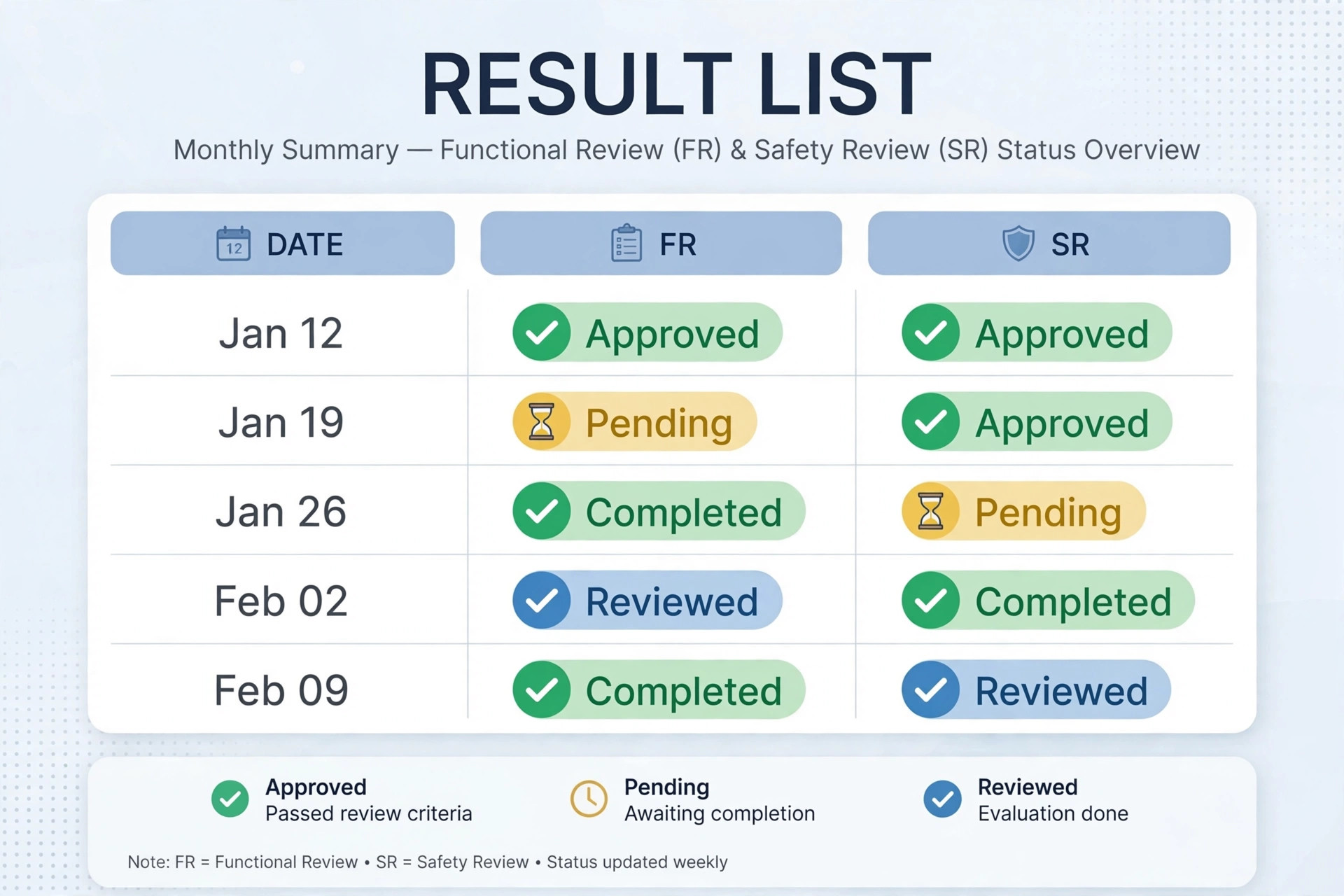
When you open any juwai teer previous result entry on our teer result list page, you will see the date written clearly at the top of the entry, followed by the two round values. The first round is the result of the morning or afternoon archery session depending on the day’s schedule, and the second round follows after a short gap. Both numbers are two digit values. If a round has not been declared yet for the current day, the space shows a dash “-” as a placeholder. That dash is important. It means “not declared yet”, not zero and not a hidden number.
Why date labels matter more than anything
The single biggest source of confusion with old results is the date label. Teer followers often search for a result and land on a page without noticing which date it belongs to. Always read the date first. A result without a date is just a pair of numbers with no meaning. On our archive every juwai teer previous result carries its full date, for example 29 Sep 2026, so you never have to guess which day a number belongs to.
What a record never includes
A genuine previous result record never includes predicted numbers for upcoming days. If you ever see a page that mixes old declared numbers with “expected” numbers for tomorrow, treat the two parts separately. The declared part is history. The expected part is someone’s guess, and guesses are not results. Our archive keeps only declared numbers, which is why you can rely on it as a record.
How the Juwai Teer Result Is Declared Each Day
To understand previous results properly, it helps to know how a fresh result comes into being. Juwai teer is played with archery. Archers shoot arrows at a target, and the number of arrows that hit the target decides the winning number. Only the last two digits of the total count become the result. This happens twice a day in two rounds, called the first round (FR) and the second round (SR).
The first round
The first round is the opening session of the day. A fixed number of archers shoot a fixed number of arrows each, the hits are counted by the organisers, and the last two digits of the count are announced as the FR number. The declaration usually happens in the early afternoon for the day session of Juwai teer. Once announced at the ground, the number spreads to result websites within minutes.
The second round
The second round follows the same method after a break. Archers shoot again, hits are counted again, and the last two digits become the SR number. Because it is a fresh round of shooting, the SR number has no link to the FR number of the same day. They are two independent counts. When you read a juwai teer previous result, remember that the two numbers in one row came from two separate shooting sessions.
The morning session
Juwai also has a morning teer session on working days, with its own FR and SR declared late in the morning. The morning session is a separate game from the day session, with separate archers and separate counts. Our juwai teer result page tracks the day session, while morning numbers appear in their own section. When checking previous results, make sure you are looking at the session you mean, morning or day, because the numbers are completely different.
How to Find Juwai Teer Previous Result Records
Finding an old result takes less than a minute once you know where to look. Here is the method we recommend.
Step 1 – Open the result list page
Go to the teer result list page. This page is the archive. It lists declared results date wise, newest first, so the most recent days sit at the top and older days follow below.
Step 2 – Find your date
Scroll to the date you need. Dates are written in full, so scan for the day, month and year together. If you are looking for a juwai teer previous result from a specific day, match all three parts of the date before reading the numbers.
Step 3 – Read FR and SR
Once the date is confirmed, read the two numbers next to it. The first is the first round, the second is the second round. That is the complete record for that day and session.
What if the date you want is not listed
Teer is not held on Sundays and on certain public holidays. If a date is missing from the archive, it usually means no game was held that day. This is normal. Do not treat a missing date as a missing update. Our archive only lists days on which a game was actually played and declared.
How to Read a Previous Juwai Teer Result Correctly
Reading a record correctly is a small skill, and it prevents most mistakes. Follow these points every time.
Match the session label
A record belongs to one session: Juwai day, Juwai morning, or another market entirely. The market name sits near the numbers. A juwai teer previous result for the day session and a Juwai morning result from the same date are different numbers. New visitors mix these up more than anything else, so slow down and read the label.
Read FR before SR
The order is always first round first, second round second. Some websites show them side by side, some stack them. Either way, the FR value comes first in the pair. If you are noting numbers down, keep the same order so your notes stay comparable day to day.
Understand the dash placeholder
As mentioned earlier, a dash “-” means the round has not been declared yet or was not held. It is a placeholder, never a result. When you look at today’s entry before both rounds are out, you will see real numbers mixed with dashes. Yesterday’s entry, by contrast, will show both numbers filled in. That is the visual difference between a live day and a juwai teer previous result.
Note the update time
Result cards on this site also show when the data was last updated, next to the result date. The result date tells you which game the numbers belong to. The update time tells you when we last refreshed the page. These are two different facts. For a previous result, the result date is what matters.
Juwai Teer Result Timings You Should Know
Knowing the daily schedule helps you understand why a previous result looks the way it does. The Juwai day session declares its first round in the early afternoon and its second round a little later, usually within the same hour. The Juwai morning session declares its rounds late in the morning. Exact minutes can shift slightly day to day because the declaration follows the actual counting at the ground, not a television schedule.
This is why checking a juwai teer previous result the next morning is the most relaxed way to confirm numbers. By then both rounds are declared, counted, and settled, and the record will not change. Checking in the middle of a live session, on the other hand, means watching dashes turn into numbers in real time, which is exciting but not the moment for careful record keeping.
If you follow results daily, you may also want to read our about us page to understand how we collect and verify declared numbers before publishing them.

Why Past Results Cannot Predict Future Numbers
This point deserves its own section because it is the most misunderstood idea in teer. Every round of Juwai teer is a fresh round of archery. The archers shoot again, the arrows fly again, and the count starts from zero. The number declared last Tuesday has no influence on the number that will be declared next Tuesday. This is not an opinion. It is how the game physically works.
A juwai teer previous result is therefore a record of what happened, not a clue about what will happen. Keeping old results is useful for confirmation, for settling friendly discussions, and for maintaining honest records. It is not useful for forecasting, and anyone who tells you otherwise is selling you something. We publish no common numbers, no hit numbers, no target numbers, and no house or ending tips on this site, because those are guesses dressed up as information.
Teer is a legal lottery in Meghalaya and participation is strictly for adults aged 18 and above. If you choose to participate, do so responsibly and only with money you can afford to lose. Records of past results should never be used as a reason to increase spending.
Common Mistakes When Checking Old Results
Even careful readers make these errors. Knowing them in advance keeps your records clean.
Mixing morning and day sessions. The most frequent mistake. Juwai morning and Juwai day are separate games. Always confirm the session label.
Reading the wrong date. Searching quickly and grabbing numbers from the top entry without checking the date. The top entry is the latest day, which may not be the day you want.
Treating the dash as zero. A “-” placeholder is not the number zero and not a missing digit. It means not declared.
Trusting screenshots. Screenshots of results circulate on messaging apps with no date context and sometimes with edited numbers. Always verify against the dated archive on a result website instead of trusting a forwarded image.
Confusing Juwai with Shillong or Khanapara. The markets are different games in different places with different numbers. A juwai teer previous result belongs to Juwai only. If the page header says Shillong, you are reading the wrong market.
How We Maintain the Previous Result Archive
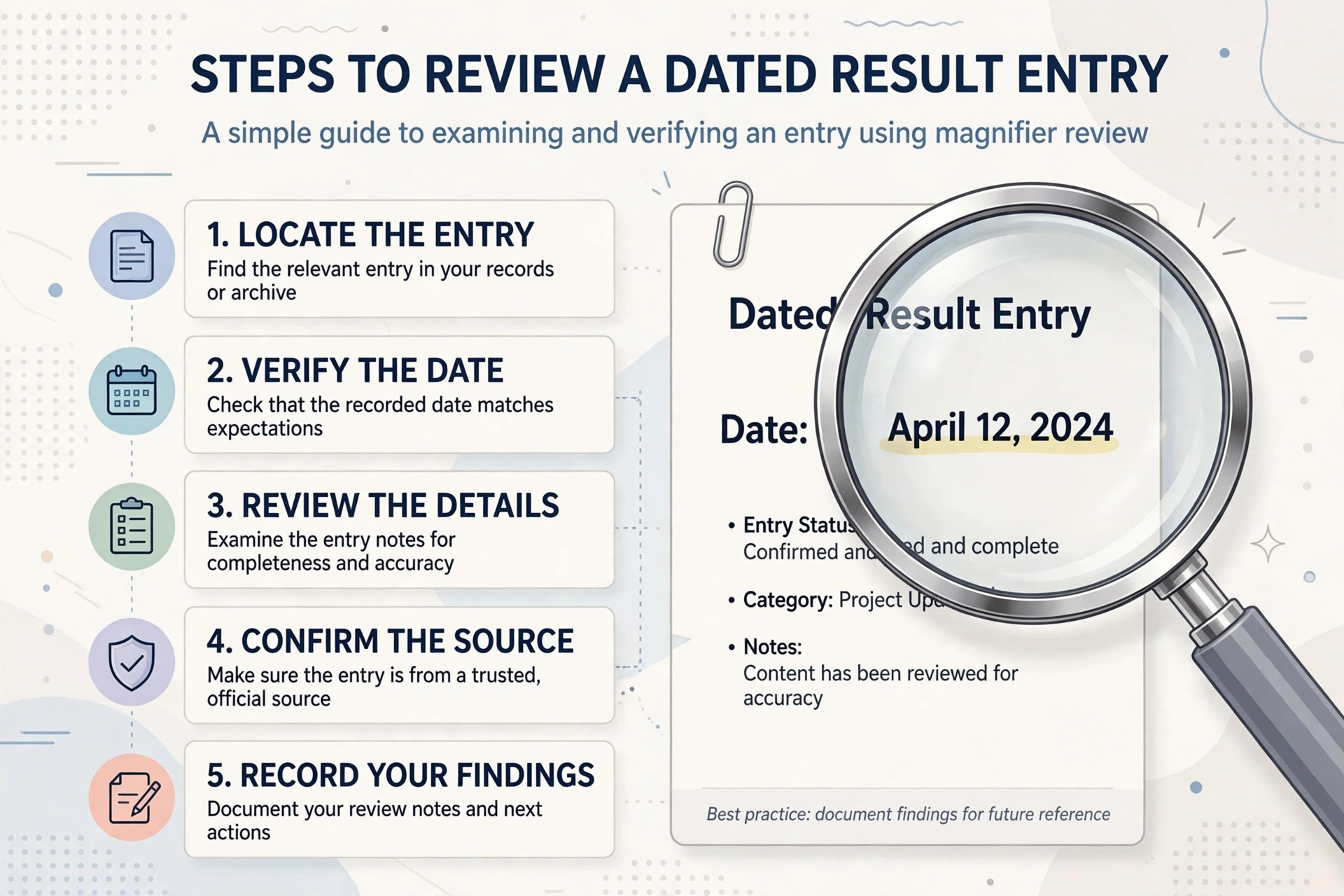
Accuracy is the whole point of an archive, so here is how ours is maintained. Each day, after both rounds are declared at the ground, we collect the numbers from at least two independent result sources and publish them only when the sources agree. If sources disagree, the entry stays blank until the correct number is confirmed. We never invent a number to fill a gap.
When a new day’s results are published, the previous day’s entry moves into the dated archive automatically. The archive keeps a long history so that a juwai teer previous result from weeks ago remains reachable. Dates, session labels, and round order are preserved exactly as declared. This routine runs every working day, which is why the archive stays complete without manual patching.
For background on the game itself, you can read the overview of teer on Wikipedia, and for the legal framework the Government of Meghalaya portal carries official state information.
FAQs About Juwai Teer Previous Result
Where can I find the juwai teer previous result for a specific date?
Open the teer result list page and scroll to the date you need. Results are stored date wise with the newest first, and each entry shows the first round and second round numbers for that day.
What do FR and SR mean in a previous result?
FR stands for first round and SR stands for second round. They are the two archery sessions held each day. Each juwai teer previous result row shows both numbers because each day produces two independent results.
Why does a previous result show a dash instead of a number?
A dash “-” is a placeholder meaning the round was not declared or not held. On past dates this is rare and usually means the game was cancelled that day. On the current day it simply means the round has not been declared yet.
Is Juwai teer held every day?
No. Teer is generally not held on Sundays and may pause on public holidays. Missing dates in the archive almost always mean no game was scheduled, not that our records are incomplete.
Can previous results help me win the next game?
No. Each round is a fresh archery session and past numbers do not influence future ones. Old results are useful as records and for confirmation, but they cannot predict what comes next. Anyone claiming otherwise is guessing.
What is the difference between Juwai morning and Juwai day previous results?
They are records of two separate games. Juwai morning teer is the morning session with its own archers and timings, while Juwai day teer is the afternoon session. Their previous results are stored separately and the numbers never overlap.
How far back does the archive go?
Our archive keeps a long rolling history of declared results, so you can look up a juwai teer previous result from many weeks in the past. Older entries remain exactly as declared, with dates and round order preserved.

Conclusion
A juwai teer previous result is a simple thing: a date with two declared numbers. Keeping it simple is what keeps it honest. Use the archive to confirm numbers you missed, settle doubts with dated proof, and keep your own notes accurate. Read the date first, match the session label, respect the dash placeholder, and remember that history records the game but never predicts it. With those habits, the previous result archive becomes exactly what it should be: a reliable public record of every Juwai teer day.
Teer is a legal lottery in Meghalaya for adults aged 18 and above. Please participate responsibly.