
If you search for the assam teer result every afternoon, you are following one of the most distinctive lottery games in Northeast India. Assam teer is the archery based game held at Khanapara in Guwahati, and its result is declared in two rounds on every game day. The game has its own ground, its own rhythm and its own community of followers, and understanding the regional background makes the daily result far easier to read and trust.
This complete regional guide walks you through the whole picture. You will learn what Assam teer actually is and why it carries the name of a state while being played at one specific ground, how the Khanapara teer market in Guwahati functions on a game day, how trained archers turn a round of shooting into a two digit result number, when the first round and second round results are declared, and how to read the daily result without the common mistakes that confuse newcomers. Whether you check the result out of curiosity or because you take part through a licensed counter, this guide gives you the full context in plain language.

What the Assam Teer Result Really Is
The phrase assam teer result simply means the declared outcome of the teer game played at Khanapara, Guwahati. Teer itself is an archery based lottery in which archers shoot arrows at a target, officials count how many arrows hit the target, and the last two digits of that count become the winning number. This process happens twice a day in two separate rounds, so every game day produces two result numbers: one for the first round and one for the second round.
Why people call it Assam teer
The game gets its regional name from where it is played. Khanapara sits in Guwahati, the largest city of Assam, and the ground there has hosted teer for decades. Players and followers across the Northeast started referring to this particular market as Assam teer to distinguish it from the Shillong teer and Juwai teer markets of neighbouring Meghalaya. So when someone says assam teer, they are not talking about a different game with different rules. They are talking about the same archery lottery format, played at the Khanapara ground in Assam. The Khanapara teer result page on this site carries the daily numbers for this market, and the name Assam teer is simply the regional label the public gave it.
The link between the result and the ground
Every assam teer result traces back to a real physical event. On each game day, a group of archers gathers at the Khanapara ground, shoots a fixed number of arrows at the target in the first round, and then repeats the process in the second round. The counting is done openly at the ground, and the two numbers that emerge are the official results for the day. This matters because it means the result is not generated by a machine or drawn from a drum. It is the outcome of a live sporting act, and that is why followers treat the timing, the ground conditions and even the weather as part of the story of the day. Understanding this physical link helps you read the result the right way: as the record of something that actually happened at Khanapara, not as an abstract pair of digits.
The Khanapara Ground and the Guwahati Teer Market
To understand the assam teer result fully, you need to picture the place where it is born. Khanapara is a locality on the edge of Guwahati, close to the Assam Meghalaya border. The teer ground there is an open field set up for archery, with marked shooting lines, targets at the regulation distance and space for the archers, officials and counters who run the game.
Where Khanapara sits in Guwahati
Guwahati is the gateway city of the Northeast and the commercial heart of Assam, and Khanapara lies on its southern side along the road that leads toward Shillong. The area is well connected by road, which is one reason the teer market grew there: archers, counter operators and followers can all reach the ground easily. The ground itself is part of a wider teer ecosystem that includes licensed ticket counters spread across Guwahati and nearby towns. These counters sell tickets in the hours before each round, and the money collected through them is what funds the prize pool. If you want background on the city itself, the Guwahati article on Wikipedia gives a useful overview of the region.

A game day at the ground
A typical game day at Khanapara follows a rhythm that regulars know by heart. In the morning and early afternoon, ticket counters across the area sell tickets for the first round. Players choose a two digit number from 00 to 99 and pay the fixed ticket price at a licensed counter, receiving a slip as proof. As the sale window for the first round closes, attention shifts to the ground itself. The archers take their positions, officials verify the setup, and the first round of shooting begins. Dozens of archers loose their arrows at the targets in a coordinated volley, and when the shooting ends, the counting begins. Officials count every arrow that struck the target, the total is announced, and the last two digits of that total become the first round result.
Then the cycle repeats for the second round. Fresh ticket sales open for the second round number, the archers shoot again, the arrows are counted again, and the second round result is declared. By early evening both numbers of the day are public, counters begin settling winning tickets, and the ground empties until the next game day. This daily cycle is the heartbeat of the market, and the assam teer result is simply its written record.
How the Assam Teer Game Works from Arrows to Numbers
The mechanics of the game are straightforward once you see the full chain from the archers to the declared number. There is no complicated formula and no hidden step. The transparency of the process is exactly what has kept the game trusted for so many years.
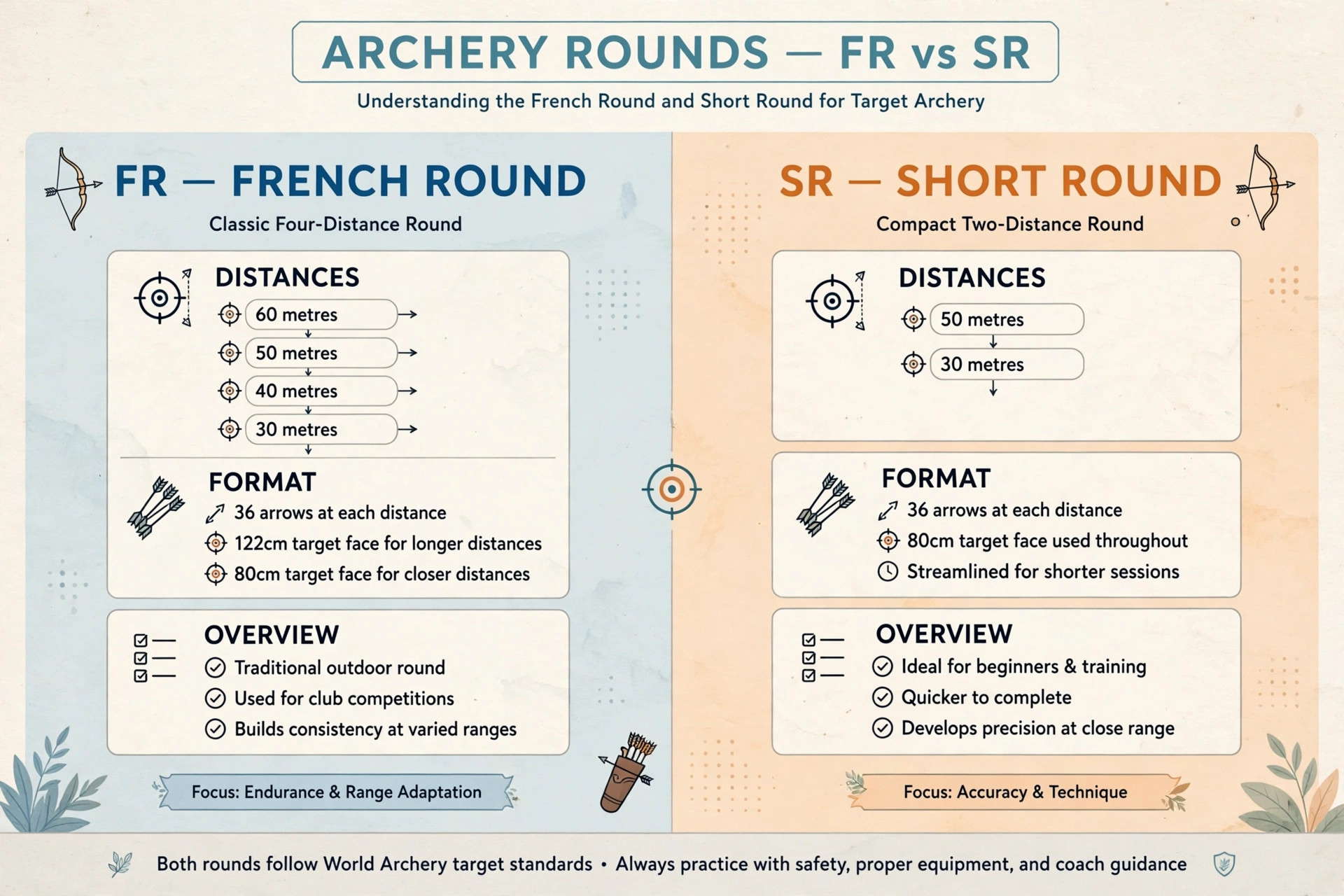
The first round (FR)
The first round is the opening session of the game day. A fixed number of archers, usually several dozen, each shoot a set number of arrows at the target. The shooting happens in a short, intense burst that lasts only a few minutes. Once every archer has finished, officials move to the targets and count the arrows that hit. Suppose the total count of hitting arrows is some three or four digit figure. The result is not that full figure. It is only the last two digits. If the count ends in 42, the first round result is 42. That two digit number, from 00 to 99, is what ticket holders compare against their slips. The teer result list on this site keeps these daily FR numbers organised by date so you can look back at any game day.
The second round (SR)
The second round follows the same format but is a fully separate event. New tickets are sold, the archers shoot again, and a fresh count produces a fresh two digit number. The second round is not a continuation of the first and its result has no mathematical relationship to the first round number. Many newcomers assume the two rounds are linked, but they are independent draws in every sense: separate ticket sales, separate shooting, separate counting, separate result. Treating FR and SR as two distinct games played back to back is the single most important habit for reading the assam teer result correctly.
How arrows become a result number
The conversion from arrows to a number deserves a closer look because it explains why the game feels both sporting and lottery like at once. The archers are genuinely skilled; hitting the target consistently takes practice, and the total count reflects real marksmanship on the day. But the winning number is only the last two digits of that count, which means the result depends on the exact total in a way nobody can control precisely. An archer cannot aim to make the total end in a particular digit, because dozens of archers are shooting at once and every arrow shifts the total. This blend of real sport and genuine chance is the essence of teer. The archery itself is a traditional skill with deep roots in the region, and you can read about the sport more broadly in the archery article on Wikipedia.
Sessions, Rounds and the Daily Rhythm of the Assam Teer Result
The assam teer result does not appear at random times. It follows a daily schedule built around the two rounds, and knowing that schedule turns checking the result from a guessing game into a simple routine.
Ticket sale windows
Each round has its own ticket sale window that closes before the shooting starts. Counters in Guwahati and the surrounding areas sell first round tickets during the morning and early afternoon, then stop sales so the round can proceed cleanly. After the first round result is declared, counters open sales for the second round, and those sales close before the second round shooting begins. The exact opening and closing times of counters can vary slightly by locality, so regular players learn the rhythm of their own neighbourhood counter. What never changes is the order: sales first, then shooting, then counting, then declaration.
When FR and SR are declared
The first round result is typically declared in the afternoon, once the shooting and counting at the Khanapara ground are complete. The second round result follows in the evening after the second session finishes. These are the two moments the whole market waits for each game day, and result websites publish the numbers within minutes of the official announcement. Because the shooting is a live event, small delays are normal: counting dozens of arrows carefully takes time, and officials will not rush it. If you check at the usual time and the number is not there yet, waiting a little while and refreshing is the right move rather than trusting an unofficial early figure.
Why declared times can shift
Several everyday factors can move the declaration by a few minutes. Heavy rain can pause the shooting, a large field of archers takes longer to count, and occasional technical issues at the ground can slow the announcement. None of this changes the result itself; it only changes when you see it. This is why experienced followers check the result at a fixed time each day but stay flexible about the exact minute. The result is worth the wait because it is verified at the ground before it is announced, and a verified late number is always better than an unverified early one.
The morning session at Khanapara
Alongside the main day game, Khanapara also hosts a morning session on game days, with its own FR and SR rounds declared earlier in the day. The morning game follows the same archery format and the same counting method; only the timing differs. Followers who track the morning session use the Khanapara morning teer result page to keep those numbers separate from the main day game. Keeping morning and day results in separate mental boxes avoids one of the most common mix ups in teer following.
How to Read an Assam Teer Result Without Mistakes
Reading the result sounds trivial until you see how many ways there are to misread it. A few simple habits will keep you accurate every day.
FR and SR are two separate results
Always read the two numbers as a pair with clear labels. The first round number belongs to the afternoon session and the second round number belongs to the evening session. When you note the result down or compare it with a ticket, say or write the session name alongside the number. This habit alone prevents the most common error, which is comparing a first round ticket against the second round number.
Reading the date and session labels
Every published result should carry three pieces of information: the date, the market name (Assam teer or Khanapara), and the session (FR or SR). Check all three before you trust what you see. Date errors are surprisingly common when people look at result lists, because yesterday’s numbers sit right next to today’s. A quick glance at the date line takes two seconds and saves real confusion. On this site, the homepage shows the current day’s numbers prominently, while older dates live in the archive.
A note on number formats you may see
Sometimes guides show the layout of a result card using a placeholder. It looks like this: FR: – and SR: – (example only, not a real result). The dashes stand in for the two digit numbers and carry no meaning beyond showing the format. Whenever you see a result card, make sure the numbers shown are the officially declared ones for that date and session, not a sample layout from a guide. Real results always come with a real date attached.

Where to Check the Assam Teer Result Every Day
With the background covered, the practical question is where to look each day. The best approach is to pick one reliable result website and make it your daily habit rather than bouncing between random pages that may show outdated or mixed up numbers.
A good result page shows the current day’s FR and SR numbers clearly labelled, keeps an archive of previous dates, and separates the Assam teer (Khanapara) market from the Shillong and Juwai markets so you never read the wrong market’s number. On All Teer Results, the homepage carries the latest declared numbers, the teer result list organises past results by date, and the dedicated Khanapara teer result page focuses on this market alone. Bookmarking the market page for the game you follow is the simplest way to build a fast, accurate daily routine.
When you check, follow the same order every time: confirm the date, confirm the market name, then read FR and SR separately. If a page shows numbers without a date, treat it as unreliable and verify elsewhere. And if the result for today has not appeared yet at the usual time, remember the declaration can run a few minutes late; check back shortly instead of accepting a number from an unverified source.
The Law, Age Limits and Responsible Play
Teer is a legal lottery in Meghalaya, operated under the state lottery framework, and the Khanapara game functions within the recognised teer system of the region. That legal status is part of why the game has survived and stayed organised for so long: it runs through licensed counters, follows set procedures at the ground, and declares results openly.
The game is strictly for adults aged 18 and above. Ticket counters are not permitted to sell to minors, and young followers should treat teer purely as a cultural curiosity rather than something to take part in. Even for adults, the responsible approach is to treat any money spent on tickets as entertainment spending, never as an investment or a way to solve financial problems. Set a fixed small budget if you play, never chase losses, and step away the moment it stops being fun. If you or someone you know shows signs of problem gambling, seek help from a professional support service in your area.
Assam Teer Result FAQs
What is the Assam teer result?
The assam teer result is the declared outcome of the archery based teer game held at Khanapara in Guwahati, Assam. Each game day produces two numbers: the first round (FR) result declared in the afternoon and the second round (SR) result declared in the evening. Both numbers are two digits from 00 to 99, derived from the last two digits of the arrow count at the ground.
Is Assam teer the same as Khanapara teer?
Yes. Assam teer and Khanapara teer refer to the same market. Khanapara is the locality in Guwahati where the ground is located, and Assam teer is the regional name the public uses for the game played there. The result numbers, rounds and timings are identical whichever name you see.
What time is the Assam teer result declared?
The first round result is typically declared in the afternoon and the second round result in the evening on game days, after the shooting and counting at the Khanapara ground are complete. Timings can shift by a few minutes because of weather, the size of the archer field or counting delays. If the number is not visible at the usual time, wait and check again rather than trusting an unofficial early figure.
How is the winning number calculated in Assam teer?
Archers shoot a set number of arrows at the target, officials count how many arrows hit, and the last two digits of that total become the winning number. For example, if the count of hitting arrows ends in 57, the result for that round is 57. This happens separately for the first round and the second round, producing two independent numbers each game day.
Where can I check the Assam teer result online?
You can check it on a dedicated result website that labels the date, market and session clearly. On this site, the homepage shows the latest numbers, the teer result list archives past dates, and the Khanapara teer result page focuses on this market. Always confirm the date and session (FR or SR) before noting the number.
Does the Assam teer result get declared on Sundays and holidays?
The game generally does not run on Sundays, and the schedule can pause on major public holidays. On non game days there is no FR or SR number, so a blank result page on a Sunday is normal and not a sign that the numbers are missing. Regular followers simply resume checking on the next game day.
Can I buy Assam teer tickets online?
Tickets are sold through licensed physical counters in the Guwahati region, not through official online channels. Be cautious of any website or person claiming to sell teer tickets online or asking for advance payment, as these are not part of the licensed system. Only buy from a counter you can visit in person.
Conclusion
The assam teer result is the daily record of a living tradition: skilled archers at the Khanapara ground in Guwahati, two rounds of shooting, careful counting, and two numbers that the whole market waits for each afternoon and evening. Now you know what the game is, where it happens, how the rounds work, when to expect the numbers and how to read them without mistakes. Keep this guide bookmarked, check the result at the same time each day from a source you trust, confirm the date and session every time, and enjoy the game responsibly. For the latest numbers, head to the All Teer Results homepage and make it part of your daily routine.